Sunday, February 27, 2022

Sneaker Head: Nike 4%, Next% and More

Casey S
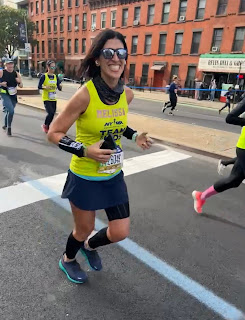
Like many runners, NY Flyers and otherwise, I’ve become something of a shoe fanatic over the course of three marathons and the seemingly endless training runs. It all started for me with a pair of neon yellow Asics, my first ever marathon shoe. Selected by me in equal parts for their fashion (the neon trend was red-hot) and functionality, I felt assured that those shoes would carry me to the finish line in fine form. Instead, I learned the valuable lesson that the shoe
can make, or break, the runner (to an extent).  


Fast forward to today and I will tell you unequivocally that Nike makes the best running shoes on the market. That certainly wasn’t always the case (Nike Shox, anyone?) but years of research and development are paying off in spades. 

Prior to the 2016 debut of the Nike Zoom Vaporfly 4%, the general consensus around racing shoes was “less is more.” Many distance runners would train in well-cushioned shoes and switch to thinner soles on race day to carry minimal weight and presumably run more efficiently. 

Nike flipped this belief on its head
with the creation of ZoomX foam, which reportedly weighs less and returns more energy than any foam compound before it. Together with a carbon fiber plate in the midsole, the Vaporfly 4% was designed to return 4% more energy to runners (hence the name), translating into precious minutes over the course of a race. 


The shoe quickly became omnipresent at nearly every distance racing event and race podium, eventually drawing the attention of the World Athletics, the global governing body of track and field, and drawing comparisons to the full body swimsuits that helped athletes shatter records at the 2008 Beijing Olympics (and called into question the integrity of the sport). Although new regulations on footwear were introduced in 2020, World Athletics determined that Nike’s Vaporfly was in compliance, clearing the way for Nike to continue to innovate and improve an already world-class shoe. 


If you’re like me, I couldn’t resist trying these shoes for myself after seeing some of the best runners in the NYC Marathon zip past in their eye-catching shoes. They quickly became my favorite shoes – although the elevated heel does take some getting used to – which is why I encourage others to wear their shoes for both training and racing. If you’re interested in trying them for yourself, rest assured in Nike’s generous 60-day return policy, which includes used items; I put this to the test several times myself and they accepted each return without question. 


Below are my quick takes on some of Nike’s latest kicks: 


Nike Zoom Fly 4

  • Great entry-level shoe with many of the premium features of the Vaporfly at a much lower price point. 

  • These are my OG Nike shoes and ones that I keep going back to time and time again.  

  • Generally recommend sizing a half-size up from your usual footwear given the snug fit of the shoe. 


Nike ZoomX Vaporfly Next% 2

  • I tried these thinking that they would be a slightly less expensive version of the Alphafly currently on the market. 

  • Although the responsive cushioning was true to form, I found that the detached tongue rubbed my ankle uncomfortably (even more noticeable in such a fitted shoe) and the additional foam at the back of the heel felt superfluous (almost to the point of creating drag).


Nike Air Zoom Tempo NEXT%

  • Despite the fanfare around the Zoom air pods that are included in this model, I felt that they added weight to the shoe without any real benefit – vaguely reminiscent of the days of Nike Shox.


Nike Air Zoom Alphafly NEXT% Flyknit 

  • Arguably worth the cost, as much as it pains me to say it.

  • Features that were bothersome in other models – air pods and pronounced heel – seem to come together in a much more functional manner in this shoe. 

  • Great response and momentum. 

  • Flyknit design is much more breathable than I had anticipated (you can see your socks quite clearly) so not ideal for wet or cold conditions. 

  • True-to-size although some may still prefer to size-up half a size given the overall snug fit.

-Casey S.

Read more...

Friday, February 11, 2022

Wonders of Wool

Melissa S
As someone who is miserable when it comes to cold temperatures (my definition is anything below 70 degrees), I’ll let you in on a secret that has allowed me to enjoy running in sub-freezing temps: Merino wool. Perhaps this is old news to you veteran runners and I’m just late to the party..er..race, but I only had to wear this magical fabric once during a blustery run to know I’d never return to synthetic athletic wear during these frosty, frigid New York months.

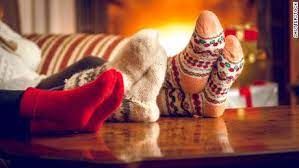
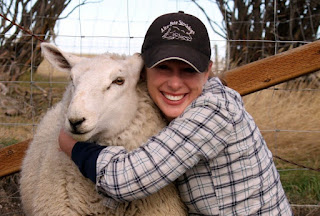
The idea of wool might conjure up images of itchy sweaters and thick, uncomfortable socks. Or maybe you picture fluffy sheep and grandma’s knitting. For me, the thought elicits memories of my curly hair … before I discovered keratin! 


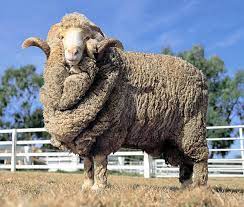
Regardless, wool can provide warm and comfortable thin base layers, mid-layers, outerwear, and socks. But not just any wool—Merino wool, straight from the Merino sheep.  Ditch the itch! Not only is the fiber on Merino sheep very fine, it is also quite soft, more so than any other wool from any other breed of sheep. 

As a cold-weather convert, here are my top reasons to give Merino a try … especially if you, too, are a cold-averse runner. 

  • You will feel dry. 

    Who wants to be freezing and wet? Merino wool wicks moisture and makes a great base layer. Your wool top will not stick to your body; nor will you feel gross and clammy when you start to sweat. Plus, in the event you get stuck in a torrential rainstorm or if you happen to be a profuse sweater, Merino wool dries quickly.

  • You won’t smell. 

    Your friends, teammates, and even fellow subway car passengers will thank you! Unlike some other fabrics, Merino wool doesn’t hold odor. This is due to the fabric’s ability to absorb sweat quickly, which allows the dampness to evaporate.  


  • You will feel warm. 

    Merino wool absorbs and releases moisture as needed, so that when you wear clothing made of Merino wool, its natural properties let you feel warm in the cold (and, conversely, cool when it’s hot).  

  • Good for environment, sun protection, and stopping static. 

    Merino wool is more sustainable, making it better for the environment than many other fabrics; it provides SPF protection; and it is static-resistant.  


  • It’s durable.

    You may wonder if it’s worth the price tag. There’s always a catch, isn’t there? The one downside to Merino is the upfront cost, but luckily, you get what you pay for. 


    I’ve purchased Merino wool pieces that have lasted more than a decade of winter running and they still look brand new. That’s a pretty compelling return on investment. My personal favorite brands are Ibex and Smartwool, both of which often run good sales.  (Disclosure: I do not work for either company.)  


Personally, embracing gear made from Merino wool has transformed me from winter-phobic to one who truly enjoys a cold-weather run. Remember, when it comes to running conditions, there’s no such thing as bad weather; you just need the right apparel to keep you on track. 😊


-Melissa S.


Read more...

Tuesday, April 2, 2019

Advice from Papa Bear: April, May, and June


Advice from Papa Bear

These tidbits of wisdom were published in the New York Flyers monthly newsletter during the year 2000. In those days the newsletter was published monthly and sent out by US Mail (aka "Snail Mail"). The 12 monthly posts were migrated to Papa Bear's Hiking web site which had a small running section.  Yes,  the club Secretary put out a newsletter of 10-12 pages every month for 12 full months, every year. 

On this blog we will publish them by quarters


April: Rounding 


Papa Bear says: When training, we round our training mileage UP. So naturally 5.7 miles becomes 6 miles in your running log. When racing, we round our finishing times DOWN. So when asked our time after a 3:10:57 marathon we say 3:10, or to be really brazen to non-runner friends we might say "three hours and change". Note how useful the expression "and change" is, use it often.


May: Rest


Papa Bear says: as you get on in years, consider taking an extra day (or 2) off each week. The extra rest may actually improve your performance. Rearrange your mileage into longer runs with more days off in between. Papa Bear has trained just 4 days a week since 1995, during which time he has run 6 marathons and qualified for Boston twice. Rest works! Try it.

June: Bathrooms 


Papa Bear says: if the race starts in 15 minutes and the port-o-san line is 20 minutes long, what to do? GO SOUTH about a half-mile, past Cleopatra's Needle to the traffic light at the top of Cat Hill; turn right on the maintenance road at the light. Bathrooms are in the maintenance building about 100 feet in from the road. 

Or GO NORTH about a half mile along the reservoir track, past the stone pump house; go over the arched foot bridge and follow the walkway down to the tennis house. I have always found these facilities clean and safe. Besides you get a nice extra pre-race warm-up

Sources


Here are the newsletters in which these were published:
April 2000 New York Flyers News (page 4, middle left)
May 2000 New York Flyers News (page 7, bottom right)
June 2000 New York Flyers News (page 7, bottom right)


And BTW: read the whole newsletters: I'll bet you'll be surprised how involved the Flyers were 18 years ago -- just like now!

And here's Papa Bear's web page: Advice from Papa Bear on papabearnewyork.com

Read more...

Tuesday, January 1, 2019

Advice from Papa Bear: January, February and March

Advice from Papa Bear

These tidbits of wisdom were published in the New York Flyers monthly newsletter during the year 2000. In those days the newsletter was published monthly and sent out by US Mail (aka "Snail Mail"). The 12 monthly posts were migrated to Papa Bear's Hiking web site which had a small running section.  Yes,  the club Secretary put out a newsletter of 10-12 pages every month for 12 full months, every year.  

On this blog we will publish them by quarters.

January: Cold Weather Running

Papa Bear says: use the 20° degree rule in cold weather - dress as if the temperature is 20° degrees warmer than the thermometer shows.  So if it's 30° out, dress for 50° degree temperatures. If there's wind, use the wind-chill factor instead of the temperature and then add 20° (and remember to wear a windbreaker).


February: A Four Mile Race

This month's points race is the Snowflake 4 Miler on Feb. 26th. (that was in 2000; this year it's the NYRR Gridiron 4 Miler on Feb 3rd)

Papa Bear says: to run this race you must know the miles. To know the miles you must know their names.

And the name of the first mile is EXHILARATION.
And the name of the second mile is DISTRACTION.
And the name of the third mile is DOUBT.
And the name of the fourth mile is PAIN.

When you know these names you will know the miles. When you know the miles you can run the race.

March: Wet running shoes

Papa Bear says: When you get home from a wet workout, stuff crumpled up newspaper into your running shoes. If they are really really wet, change the newspaper before going to bed. Works like a charm and doesn't destroy your shoes like a hot radiator.

Special hint: take the shoes off before stuffing the newspaper in.

Sources

Here are the newsletters in which these were published:
January 2000 New York Flyers News (page 6, bottom right)
February 2000 New York Flyers News (page 7, bottom right)
March 2000 New York Flyers News (page 10, top right)

And BTW: read the whole newsletters: I'll bet you'll be surprised how involved the Flyers were 18 years ago -- just like now!

And here's Papa Bear's web page: Advice from Papa Bear on papabearnewyork.com

Read more...

  © Blogger templates The Professional Template by Ourblogtemplates.com 2008

Back to TOP