Showing posts with label Nutrition. Show all posts

Friday, June 19, 2015

The Sweetest Poison


Dorian R
It's Halloween - a great excuse to eat candy. It’s just a fun treat that never hurt anyone, right? Well, it may be much scarier than you realize. Mass-produced Halloween candy is highly processed food that's full of chemicals, food coloring and of course, sugar.


In short: refined sugar fits every possible definition of poison. Whether in a sugar bowl or in candy, backed good, or "fruit" juice, or in surprising places like salad dressing and wine. Check the ingredient list of any packaged food -- sugar is everywhere. 

The average person eats about 130 lbs of sugar in various forms every year. That's over half a cup per day. The average child consumes about 32 teaspoons a day! Would you knowingly let your child eat that?

Eating sugar activates the food-craving parts of your brain — the all-too-common "sugar rush". That's why once you start eating sweet foods, you can easily go overboard. 

What does sugar do to your body? Many bad things. Consuming processed sugar depletes the body of B vitamins, which can contribute to heart palpitations, chronic fatigue, paranoia, anxiety, lack of focus, indigestion, insomnia and cravings for yet more sugar. Sugar causes the digestive tract to become dangerously acidic. It causes vitamins and minerals such as calcium, magnesium, and potassium to be leached from the body, and puts stress on the pancreas.

We secrete insulin in response to eating carbohydrates and sugar, which controls blood sugar levels.  Do this often enough, and your body stops reacting to insulin (known as insulin resistance),  and your blood sugar levels get out of control. Chronically elevated levels of insulin can contribute to diabetes, heart disease, high blood pressure, lower HDL (“good” cholesterol) and higher levels of LDL (“bad” cholesterol).

Recent research suggests that cancer cells thrive on insulin, so if you are insulin resistant, or your body is constantly producing insulin, your risk of cancer increases.

Need more horror stories? Refined sugar inhibits blood flow which contributes to aging, wrinkles, dry skin and suppresses the immune system.

Synthetic sugar substitutes like Equal (aspartame) and Sweet 'n' Low (saccharin) are no better. They are also highly toxic, contributing to ailments like migraine, depression, anxiety, muscle pain, arthritis flare-ups, buzzing or ringing in the ears, chronic fatigue, fibromyalgia, irritable bowel syndrome (IBS), Crohn's disease, inflammation, and acid reflux. That's quite a list!


Escape from the sugar monster!

Believe me, I know it's easier said than done to stop eating sugar. But do your best. Watch for it in ingredient lists, avoid processed foods, and try to stay below 5 to 7 teaspoons of processed sugar a day (about 20 grams of sugar give or take a few). If you're a sugar junkie, you'll be amazed at how much better you feel after a few days. And the long-term benefits are many.

Want a good fright this Halloween? Think about the wicked tricks sugar plays on your health!

Further reading and references:
Is Sugar Toxic? (New  York Times article)
Is Sugar Toxic? (CBS News, with video)
Artificial Sweetener Disease: A New Breed of Sickness
14 Mind-blowing facts about sugar
Perils of a Sugar-coated Scapegoat


-Dorian Romer

917-974-8207

Read more...

Thursday, January 22, 2015

Get Food NOT the Flu!


Hippocrates and his crew of bearded Greeks dropped a lot of smart lyrics back in the day, perhaps with most renowned being:

“Let food be thy medicine, and medicine be thy food.”

Wise wise words especially during this time of year when people seem to be getting knocked over by the flu left and right. 

Think whole-body wellness and nutrition is a new concept? Think again. As early as 500 BC, Hippocratic thinkers believed that “…every physician [should] be skilled in the ways of nature, and strive to know [the effects of] food and drink.” 

Unfortunately, this concept seems to have been lost in modern medicine. Most medical schools offer only 22 hours of instruction over the course of a medical degree program. Kind of startling, don't you think?

Thankfully, some contemporary doctors like Dr. Mark Hyman, Dr. Joel Fuhrman, Dr. David Katz and Dr. Andrew Weil (to name just a few) are preaching and practicing a nutrition-centered approach. They suggest that food choices should be your first consideration in healing and preventing illness.  

What you eat — your nutrition, or lack thereof – can make all the difference in your wellness, health and longevity and athletic performance!
 
I'm not a doctor. I don't propose you stop taking any medications your doctor recommends. But please consider your diet for staying healthy and fit!

Are you eating whole foods such as veggies, fruit, nuts, seeds, legumes, whole grains and lean proteins? Are you avoiding processed foods, products made with white flour, white sugar, and chemicals (including pastas, canned goods, sodas, cake, cookies, candy, boxed cereals, and the like)? You know what I'm talking about!

What you put into your body is your own choice. but keep the words of Hippocrates and his modern adherents in mind, and start preventing illness and keeping your body healthy by eating and enjoying a whole-foods diet.

Take it from a pro like ultramarathoner Scott Jurek who quotes Hippocrates in his book Eat and Run and fuels himself on whole foods!


-Dorian Romer 

917-974-8207

Read more...

Friday, November 7, 2014

Eat Green for More Protein

Dorian R
Eating a plant-based, or mainly plant-based, diet is the way to go for optimal health and energy. As athletes, one thing we can always use is protein to help build and repair muscle. Veggies have so much to offer us in the way of nutrients, vitamins and fiber, but the icing on the cake is that the items below are also loaded with protein.

So, whether you’re a true vegetarian or you also eat animal-based protein, consider boosting your diet and energy with these selections from the vegetable kingdom.

PROTEIN-PACKED VEGGIES

1. Peas - a great addition to soups, salad and stews, mashed into potatoes or on their own, peas are one of the highest-laden sources of vegetable protein.

2. Spinach - a superfood loaded with anti-oxidants, spinach is a great choice for salads as well as sautéed or blended into a green smoothie.

3. Kale - the king (and queen) of greens is quite versatile. Make kale chips as an alternative to potato chips or add kale to soups, casseroles and sautés. You can also blend kale into a green smoothie or make a delicious kale salad - like my favorite recipe below.

4. Broccoli - high in fiber, antioxidants, minerals and a wide range of vitamins, broccoli can be eaten cooked or raw. It’s also great roasted or steamed, served as a slaw or in a salad!

5. Sprouts – sprouts come in many varieties, they’re crunchy and they make a great addition to soups, salads and sandwiches. Mix and match the varieties for a range of textures and tastes.

6. Mushrooms – fungi have lots of varieties, and immune boosting properties. It’s easy to grill them, sauté or roast up a bunch. Drizzle them with olive oil, garlic and sea salt (or your favorite seasonings) before cooking . Toss them raw into salads or use them as a scoop for tasty, nutritious dips like hummus and guacamole.

7.  Brussels Sprouts – these little nuggets are packed with fiber. They’re delicious tossed with olive oil and seasonings and then roasted or grilled, or shaved into crunchy raw strips to add to salads, soups, stews and green smoothies.

8. Artichokes - roasted, steamed or raw (raw artichoke salad often found at Italian restaurants) is delicious with a little lemon and olive oil vinaigrette.

9. Asparagus - bursting with fiber, these bright green stalks are super for helping detox the body. Lightly steamed (so they’re still crunchy) and drizzled with fresh lemon juice and sea salt, asparagus spears make for a great side dish or snack.

RECIPE
Kale and Apple Salad
1 bunch kale
1 tsp sea salt
1/4 cup diced red onion
1 diced apple of your choice (I use granny smith to add a little tartness, but sweet apples also work well)
1/3 cup currants
1/3 cup sunflower seeds, toasted
1/4 cup olive oil
3 tablespoons unfiltered apple cider vinegar

Massage the kale and sea salt with your hands for one minute. Stir in currants, apples, red onion and sunflower seeds, and dress salad. Taste again and adjust for salt and vinegar (I like less olive oil and more vinegar), etc.

Optional – For an extra dose of protein goodness, add feta cheese or shaved parmesan. Toasted walnuts or almonds go well too.

This will last in the fridge for a couple of days, so power up with green protein and nutrients and enjoy!

Read more...

Friday, August 22, 2014

Nutrition for Runners: Bust the Myths

Dorian R
Runners often ask me what they can eat to gain more energy and run faster.  My answer is always the same. Start with the basics by eating whole foods and minimizing (or eliminating) processed foods.  That is the basis of a healthy body, and a healthy body is the basis of a good runner. 

So what exactly does eating whole foods mean and how do you incorporate that into your diet?

Read these simple tips below and eat your way to health and better running!

Defining Energy Providing Whole Foods                                                                                        
What are they and how to incorporate into your diet.                                                                                             
- Fruits       
- Veggies    
- Whole Grains       
- Lean Proteins (meat, poultry, fish)      
- Nuts                
-  Seeds                 
- Legumes             
Avoid chemicals, pesticides, antibiotics – buy ORGANIC     

- Eat whole wheat, spelt or brown rice pasta instead of regular pasta    
- Eat whole grain bread instead of a bagel                                  
- Eat brown rice instead of white rice                                  
- Eat oatmeal instead of boxed cereal                               
- Eat more fish, nuts, eggs, legumes and other sources of protein (such as quinoa) instead of mainly animal proteins

Defining Energy Zapping, Non-Nutrition Providing Foods                                                                                                 
- Processed foods – anything that comes in a package, can, bottled, frozen, basically from a factory instead of the land 
- Processed sugar and flour - cake, candy, cookies, ice-cream, white bread, white rice, pasta, boxed cereal, soda, coffee, juices, alcohol, etc.     
- Foods you might not realize are processed; energy bars, energy drinks, soups, tomato sauce, salad dressings, “healthy” frozen meals, even fresh products like humus can be processed. Be sure to choose foods with the least amount of ingredients, additives and preservatives.   
- Can’t pronounce the word, or it has too many consonants, it’s probably not worth ingesting. 

Chew             
- Chew your food thoroughly to help start digestion.             
- Chewing allows the body to use less energy and helps digestion and absorption of food into the body   
- Not chewing requires the body to use a lot of energy, which means less energy for running!         

Hydration      
- Drink half your body weight in water each day, and more during training
- Replace lost electrolytes with lemon and sea salt in water instead of Gatorade   
- Other good choices are Nuun, Endurolyte (salt tablets), or even a packet of salt while on the run, coconut water, pure maple water                  
*Coffee, tea and juice do not count as hydration, and most juices unless homemade are mostly sugar 
- avoid store bought juice (unless fresh with pulp)

Sleep and Rest
- Both are as important as getting your miles in                 
- 7-9 hours of sleep is each night is recommended to be your best all the time      
- Long runs, high intensity training and too much alcohol usually require more sleep     
- Lack of sleep causes poor performance in daily life and running  
                       
Bust the Myth -- What’s Right, What’s Wrong

Carbs 
Your body needs carbs to produce energy. There are good carbs and bad carbs.  Stay way from bad carbs.

Good Carbs 
-       vegetables
-       fruit
-       plant based foods
-       whole grains

Bad Carbs
-       sugar, high fructose corn syrup, foods with sugar in them
-       white bread, white flour, pasta, white rice
-       cookies, cake, candy, etc.
-       fried foods

Fats 
Needed for many body processes, protects organs, keeps body warm, helps absorb nutrients, helps hormone production.

Good Fats 
-      extra virgin olive oil - not good for cooking at high heat
-       canola oil – good for cooking at high heat
-       pure plant based oil (ex. – pumpkin seed oil)
-       omega 3s – found in fatty fish, flax seeds, chia seeds, walnuts
-       nuts, nut butters
-       avocado
-       olives
-       sunflower, sesame and pumpkin seeds

Bad Fats
-       soybean, palm, and vegetable oils
-       high fat cuts of meat – beef, lamb, pork
-       chicken skin
-       ice cream, cheese, butter
-       fried foods
-       packaged snack foods
-       trans fats – commercially baked products

Fat free and “lite foods” – bad for you
-       when good fats are removed, sugar is added 
-       product may be lower in fat but higher in sugar and or salt
-       fats keep you fuller longer
-       sugar is empty calories and sends a signal to your brain to want more
-     often synthetic sugar (artificial sweeteners) is added which is also poison

Calories in – calories out 
It’s not about calories....
Example: 350 calories of Oreos as compared to 350 calories of kale or fresh raw nuts. Do they have the same affect in your body?  Do you feel better eating nuts or veggies, or eating cookies?  Make sense?
Foods for High-Energy Snacking     
Here are some very healthy alternatives that will rev you up with energy!  
•     Dates
•     Bananas
•     Raisins
•     Almonds
•     Nuts (preferably raw, or dry roasted)
•     Seeds (preferably raw or dry roasted)
•     Dark chocolate (72% cacao and higher)
•     Fruit
•     Dried fruit - dates, figs, prunes, apricots
•     Fresh juice (with pulp and skin included)
•     Greek yogurt - plain
•     Natural nut butters (cashew, peanut, almond, walnut)
•     Spelt or whole wheat pretzels
Recommended energy bars - Raw Crunch Bars, Lara Bars, Kit's Organic bar                         
EASY ENERGY BITES
These are the ultimate for quick energy.
-5 dates   
-2 tbsp coconut oil
-2 tsp lemon zest
-1 tsp lemon juice
-Sea salt to taste
Optional – add 1 tsp carob powder or cacao nibs for diff flavor and a little extra energy.
In a food processor combine all ingredients.  Process until Smooth.
Form mixture into a ½ inch think rectangle.  Cut into bite size pieces.
Individually wrap in cellophane and store in the fridge or freezer.
Will keep well in freezer for up to 3 months, and for up to 2 weeks in the fridge
Makes approximately 8 ½ ounce size bars. 
-Dorian R
Blogmaster's Note: Dorian is a Holistic Health Counselor and one of the first 50 members to join the NY Flyers 25 years ago.  After a hiaitus, she's back with the Club!  Dorian kindly presented a Health and Wellness Clinic on Nutrition for the Flyers at one in a series of health and wellness clinics organized by Flyers President Alan G, and you can learn more about Dorian and her services by clicking HERE to visit her website.  -Dave K, NY Flyers Blogmaster

Read more...

Thursday, May 9, 2013

Miracle Foods? Really??


Reyna F
One of the most frequent nutrition questions people ask is “what is the most nutritious food that I can eat?” Or, “what one food will make me feel better?”  We read and hear so much about "miracle foods."  There are lists of the "Top 10 Miracle Foods." And Dr. Oz always tells his audience about the latest miracle food.  Whether it is pomegranates, raspberry ketones, acai berry, or moringa, everyone wants something, anything, that will make them healthier.  And if you can put it in a capsule, that would be even better!  A magic pill. Yes!! I will take one. But this doesn't exist because if it did, we would all be healthy.

Of note, the journal of Nutrition and Cancer recently published an article, "Reality check: There is no such thing as a Miracle Food" discussing Dr. Oz and the effect of miracle foods.  This is a great read, and you can click here to see the article:   

So what do I tell people when they ask me these questions? First, I tell them there are no miracle foods and they should not waste their money on expensive supplements. Instead eat plenty of fruits and vegetables of many different colors. Each color has a different set of antioxidants.
  • Red fruits and vegetables contain nutrients such as lycopene, ellagic acid, Quercetin, and Hesperidin, to name a few. These nutrients reduce the risk of prostate cancer, lower blood pressure reduce tumor growth and LDL cholesterol levels, scavenge harmful free-radicals, and support join tissue in arthritis cases.  
  • Orange and yellow fruits and veggies contain betacarotene, zeaxanthin, flavonoids, lycopene, potassium, and vitamin C. These nutrients reduce age-related macular degeneration and the risk of prostate cancer, lower LDL cholesterol and blood pressure, promote collagen formation and healthy joints, fight harmful free radicals, encourage alkaline balance, and work with magnesium and calcium to build healthy bones. 
  • Green vegetables contain chlorophyll, fiber, lutein, zeaxanthin, calcium, folate, vitamin C, calcium, and Beta-carotene. The nutrients found in these vegetables reduce cancer risks, lower blood pressure and LDL cholesterol levels, normalize digestion time, support retinal health and vision, fight harmful free-radicals, and boost immune system activity.  
  • Blue and purple contain nutrients which include lutein, zeaxanthin, resveratrol, vitamin C, fiber, flavonoids, ellagic acid, and quercetin. Similar to the previous nutrients, these nutrients support retinal health, lower LDL cholesterol, boost immune system activity, support healthy digestion, improve calcium and other mineral absorption, fight inflammation, reduce tumor growth, act as anticarcinogens in the digestive tract, and limit the activity of cancer cells. 
  • White contain nutrients such as beta-glucans, EGCG, SDG, and lignans that provide powerful immune boosting activity. These nutrients also activate natural killer B and T cells, reduce the risk of colon, breast, and prostate cancers, and balance hormone levels, reducing the risk of hormone-related cancers.
But this information is not enough for most people. They want to hear me name some foods.  Ok, ok.... here are some foods that are loaded with antioxidants, fiber, and protein that you can find at your local supermarket.  They are some high quality foods to include in a healthy, well balanced eating plan:

-      Amaranth
-      Beans
-      Beets
-      Blueberries
-      Broccoli
-      Chia seeds
-      Garlic
-      Green Tea
-      Kefir
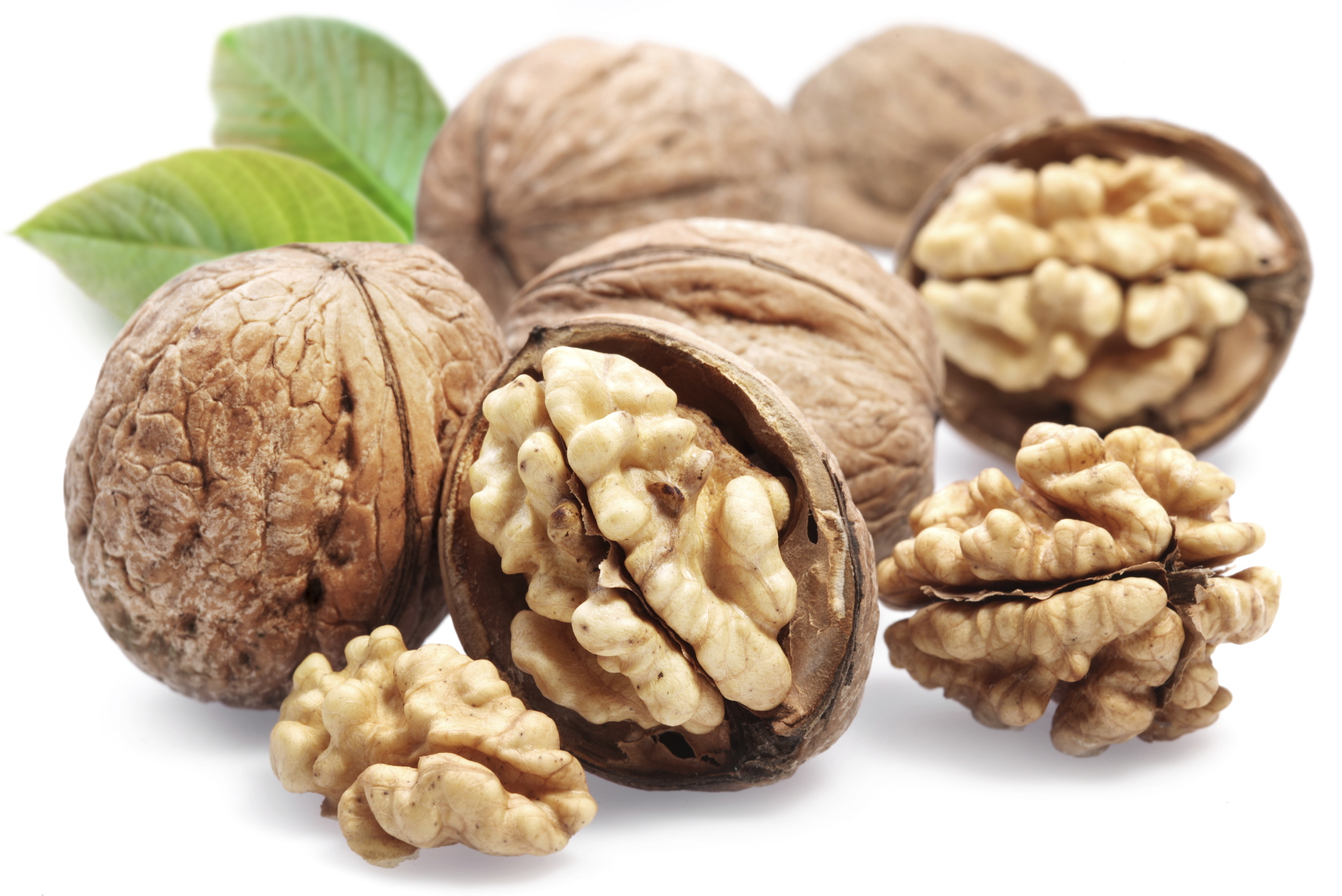
-   Walnuts

AMARANTH


You thought quinoa was the best grain. Think again. Amaranth is a gluten free grain that is higher in protein than quinoa.  Amaranth appears to lower cholesterol via its content of plant stanols and squalene. And it is fast and easy to prepare.

BEANS


It is true that beans are good for your heart. They are high in fiber, high in protein, low in fat and calories, high in B vitamins, magnesium, phosphorus and iron, and inexpensive.  When you increase your fiber intake, increase your water intake to reduce the side effects of eating beans. Or take Beano.

BEETS


Beets are high in folate, mangenese, vitamin C, potassium and fiber.  They contain a variety of antioxidants.  Betanin and vulgaxanthin are the two best-studied betalains from beets, and both have been shown to provide antioxidant, anti-inflammatory, and detoxification support. Beet greens are high in lutein and zeaxanthin.  Yellow beets are very high in lutein. Lutein and zeaxanthin are important for eye health.

BLUEBERRIES


These berries are high in the antioxidant anthocyanins and other antioxidants including resveratrol. They are low glycemic index, high in magnesium, vitamin K, vitamin C and fiber, and low in calories.  They are another heart healthy food that is an immune booster.

BROCCOLI


Want to detox naturally?  Eat broccoli. Broccoli contains the phytonutrients glucoraphanin, gluconasturtiian, and glucobrassicin which support all steps in body's detox process, including activation, neutralization, and elimination of unwanted contaminants. Isothiocyanates are the detox-regulating molecules made from broccoli's glucosinolates, and they help control the detox process at a genetic level. Broccoli is also high in fiber, vitamin C, vitamin K, folate and antioxidants. It is an anti-inflammatory food due to the flavoinoid kaempferol.

CHIA SEEDS


Chia seeds are whole grains that have a very high content of fiber.  Even though the seeds are small and don’t appear to be nutrient dense, they are packed with protein, potassium, dietary fiber and omega-3 fatty acids.  Chia seeds are replacing flax seeds due to their higher omega 3 fatty acid content and fiber content.

GARLIC


Garlic contains flavonoids and sulfur-containing nutrients.  Garlic may help improve iron metabolism - the diallyl sulfides in garlic help increase production of a protein called ferroportin. Garlic's sulfides can help dilate our blood vessels and help keep our blood pressure under control. Garlic also contains powerful antioxidants and anti-inflammatories. 

GREEN TEA


Green tea is one of the least processed teas and thus provides the most antioxidant polyphenols, notably a catechin called epigallocatechin-3-gallate , which is believed to be responsible for most of the health benefits linked to green tea. Green tea drinkers appear to have lower risk for a wide range of diseases, from simple bacterial or viral infections to chronic degenerative conditions including cardiovascular disease, cancer, stroke, periodontal disease, and osteoporosis. Green tea contains three major components that promote fat loss: catechins, caffeine and theanine. Green tea may also increase exercise endurance, but you might need to drink 4 cups in order to get this benefit.  

KEFIR


Kefir is a fermented milk drink that is practically lactose free. It is very high in probiotics which support gut health. Kefir contains certain healthy bacteria that is not available in yogurt, including Lactobacillus Caucasus, Leuconostoc, Acetobacter species, Streptococcus species, Saccharomyces kefir and Torula kefir.  It is a good source of vitamin A, D and calcium.

WALNUTS


Did you know that approximately 90% of the phenols in walnuts are found in the walnut skin, including key phenolic acids, tannins, and flavonoids? They are also high in vitamin E and omega 3 fatty acids which are heart protective.  Phytonutrient research on the antioxidant and anti-inflammatory benefits of walnuts has moved this food further and further up the ladder of foods that are protective against metabolic syndrome, cardiovascular problems, and type 2 diabetes.

-Reyna Franco, MS, RD, CSSD, CPT

Blogmaster's Note:  If you would like to learn how food can make you faster and fitter, contact Reyna Franco.  She is a registered dietitian-nutritionist, board certified specialist in sports nutrition, and personal trainer.  www.reynafranco.com  Reyna@reynafranco.com

Read more...

Sunday, March 10, 2013

Breakfast of Champions

Reyna F
Whether you are training your body for a running race or the rat race, you have to fuel it properly.  However, the fueling structure will be different depending upon the race of the day and the goals of the week.  Read on to find out how breakfast can give you the advantage in the field or in the office.

Why is breakfast important?  

It is the most important meal of the day for several reasons:

·         Increases mood and performance
·         Boosts energy levels
·         Allows for healthier eating throughout the day
·         Increases concentration


Is this based on scientific evidence?  

Yes.  A number of studies have found that all age groups have better mental acuity when the brain has an adequate supply of fuel. The brain uses glucose as its main fuel, and that means the brain needs carbohydrates. Often it is difficult for a person to tell that their brain functions worsen when blood sugar drops, partly because they are not thinking as straight as usual. But studies point out that speed and accuracy of recalling information do decline.

A study from the Sussex Innovation Centre, Brighton, UK found that eating breakfast improves people's mental performance.  Sixty one percent of test subjects showed improvements in English and mathematics tests after eating breakfast. Hand-eye coordination was also improved. Breakfast eaters also showed a reduction in anxiety levels when faced with stressful situations.

According to the Georgia Centenarian Study, people who regularly eat breakfast have lower rates of Type 2 diabetes and are less likely to develop heart failure over their lifetime than those who don't. This 21-year study of older Americans suggests that regularly eating breakfast may lead to a longer-than-average life span. These are only two of the many studies that provide positive relationships linking breakfast with wellness.

What should I eat for breakfast?

The structure of your breakfast will impact your performance for the day whether it is running or working.  You need carbohydrates and “good” fat for fuel, protein for your cells and muscles, and fruit and/or vegetables for antioxidants and overall health.

The type of carbohydrates will be dependent on whether you plan on running soon after the meal (within 1-4 hours) or running off to work.  If you doing a training run or race, your breakfast should be low fiber and moderate-high glycemic.  Why? The low fiber is easier to digest and will prevent gastrointestinal issues during your run.  Moderate to high glycemic carbs will give you quick energy to fuel your run.  How much you burn while you run is based on several factors:  the effort and your body’s efficiency to burn fat versus carbs. 

If your morning race is running to the subway, then a high fiber, low glycemic breakfast is what you want to fuel your day. This will keep your mind and body alert and active for the challenges that you will encounter at work or school. 

Is it ok to skip breakfast if you do a quick training run (less than one hour)?  

Yes.  Afterwards enjoy a high fiber, low glycemic breakfast. 

How much should you eat for breakfast?

If you plan on eating breakfast before a run, for every hour between eating and exercise, consume just under ½ gram of carbohydrate for every pound that you weigh (about 1 gram per kilogram of weight). Small amounts of “good” fat protein can also be included, but try to keep fat intake low as this will slow down digestion time.  If you plan on running off to work, consider a healthy breakfast that is approximately 500 calories (more or less depending upon your weekly exercise and weight goals).  See my examples below for breakfast ideas.

How about some breakfast examples?  

Vegetable Scramble
1 whole egg
2 egg whites
½ cup spinach
½ cup sliced mushrooms
2 slices of whole wheat bread

Beat the whole egg with the egg whites. In a non-stick pan, scramble the ingredients together.  It is that easy!

Calories 415, Fat 10g, Carbs 50g, Fiber 8g, Protein 28g


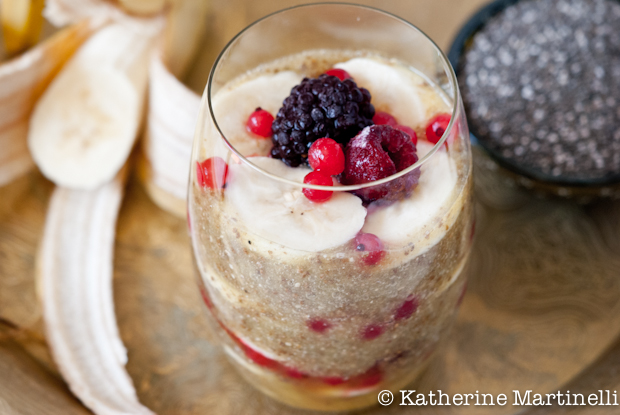
Healthy Yogurt Parfait
8 ounces Greek yogurt
1 tbsp. Chia Seeds
1 medium banana
½ cup blueberries

Mix it together to make a tasty breakfast or post long-run recovery snack.

Calories 350, Fat 4g, Carbs 52g, Protein 28g

Yummy Oatmeal Breakfast
1 cup nonfat milk (or soy, almond, rice, hemp milk)
¼ cup Steel cut oats
1 tbsp. Chia Seeds
½ cup blueberries
½ banana
1/8 cup walnuts

Prepare the Steel Cut Oats according to the directions. Then add the additional ingredients for a healthy and delicious breakfast.

Calories 491, Fat 16g, Carbs 74g, Protein 21g

Rainbow Multigrain Pancakes

1/2 cup chopped Walnuts
1 cup Whole Wheat Flour
1 tsp. Baking Powder
½ tsp. Baking Soda
3 tbsp. Chia Seed
½ cup Oat Meal -dry
½ cup Yellow Cornmeal
3 tbsp. Flaxseed Meal
2 cups nonfat Milk (or soy, almond, rice, hemp milk)
1 whole egg
1 cup Mixed berries
1 sliced Banana

Heat up your griddle.  Mix together all the dry ingredients. Then add the milk and egg.  Stir together.  Add Fruit. Stir together. Then pour onto griddle. Flip when bubbles appear on top.

This recipe is supposed to serve 8, but with a runner’s appetite, it is closer to 4 servings.

Calories 432, Fat 16g, Carbs 50g, Protein 22g

Banana French Toast
This family recipe was shown on Rachael Ray, prepared by my son Marc when he was 8 years old.
·         Slice a banana into thins slices
·         Beat together 2 whole eggs, 2 tbsp. of milk, a drop or two of vanilla extract
·         Dip whole wheat bread in the egg mixture (or challah bread if you want to the less healthy, but more authentic recipe)
·         Place the bread on a hot griddle
·         Place one layer of banana on top of the bread
·         Flip bread carefully when side one is slightly brown, the banana will caramelize while cooking on the opposite side
·         Remove the Banana French Toast carefully when done.

Enjoy! The sweetness from the caramelized banana eliminates the need for syrup.

Don’t have time to cook?  

Here are some quick and easy ideas:

·         Whole grain cereal, nonfat milk (or soy, almond, rice, hemp milk, berries and chia seeds
·         Whole wheat bread, peanut, cashew, soy or almond butter, whole fruit jelly or honey, and a banana
·         Egg salad, chia seeds, whole wheat bread, lettuce and tomato
·         Last night’s leftovers

Your mom was right. Don’t leave the house without eating breakfast.  If you need more advice on breakfast or anything else related to nutrition, wellness or exercise, contact NY Flyer member Reyna Franco, registered dietitian, personal trainer, board certified specialist in sports dietetics, www.reynafranco.com, Reyna@reynafranco.com

-Reyna F

Read more...

  © Blogger templates The Professional Template by Ourblogtemplates.com 2008

Back to TOP