
Miracle Foods? Really??
 |
| Reyna F |
Of note, the journal of Nutrition and Cancer recently
published an article, "Reality check: There is no such thing as a
Miracle Food" discussing Dr. Oz and the effect of miracle foods. This
is a great read, and you can click here to see the article:
- Red fruits and vegetables contain nutrients such as lycopene, ellagic acid, Quercetin, and Hesperidin, to name a few. These nutrients reduce the risk of prostate cancer, lower blood pressure reduce tumor growth and LDL cholesterol levels, scavenge harmful free-radicals, and support join tissue in arthritis cases.
- Orange and yellow fruits and veggies contain betacarotene, zeaxanthin, flavonoids, lycopene, potassium, and vitamin C. These nutrients reduce age-related macular degeneration and the risk of prostate cancer, lower LDL cholesterol and blood pressure, promote collagen formation and healthy joints, fight harmful free radicals, encourage alkaline balance, and work with magnesium and calcium to build healthy bones.
- Green vegetables contain chlorophyll, fiber, lutein, zeaxanthin, calcium, folate, vitamin C, calcium, and Beta-carotene. The nutrients found in these vegetables reduce cancer risks, lower blood pressure and LDL cholesterol levels, normalize digestion time, support retinal health and vision, fight harmful free-radicals, and boost immune system activity.
- Blue and purple contain nutrients which include lutein, zeaxanthin, resveratrol, vitamin C, fiber, flavonoids, ellagic acid, and quercetin. Similar to the previous nutrients, these nutrients support retinal health, lower LDL cholesterol, boost immune system activity, support healthy digestion, improve calcium and other mineral absorption, fight inflammation, reduce tumor growth, act as anticarcinogens in the digestive tract, and limit the activity of cancer cells.
- White contain nutrients such as beta-glucans, EGCG, SDG, and lignans that provide powerful immune boosting activity. These nutrients also activate natural killer B and T cells, reduce the risk of colon, breast, and prostate cancers, and balance hormone levels, reducing the risk of hormone-related cancers.
- Amaranth
- Beans
- Beets
- Blueberries
- Broccoli
- Chia
seeds
- Garlic
- Green
Tea
- Kefir
- Walnuts
AMARANTH
- Walnuts
AMARANTH

You thought quinoa was the best grain. Think again. Amaranth is a gluten free grain that is higher in protein than quinoa. Amaranth appears to lower cholesterol via its content of plant stanols and squalene. And it is fast and easy to prepare.
BEANS

It is true that beans are good for your
heart. They are high in fiber, high in protein, low in fat and calories, high
in B vitamins, magnesium, phosphorus and iron, and inexpensive. When you
increase your fiber intake, increase your water intake to reduce the side
effects of eating beans. Or take Beano.
BEETS
BEETS

Beets are high in folate, mangenese, vitamin C,
potassium and fiber. They contain a variety of antioxidants.
Betanin and vulgaxanthin are the two best-studied betalains from beets, and
both have been shown to provide antioxidant, anti-inflammatory, and
detoxification support. Beet greens are high in lutein and zeaxanthin.
Yellow beets are very high in lutein. Lutein and zeaxanthin are important for
eye health.
BLUEBERRIES
BLUEBERRIES

These berries are high in the antioxidant anthocyanins and other antioxidants including resveratrol. They are low glycemic index, high in magnesium, vitamin K, vitamin C and fiber, and low in calories. They are another heart healthy food that is an immune booster.
BROCCOLI

Want to detox naturally? Eat broccoli. Broccoli contains the phytonutrients glucoraphanin, gluconasturtiian, and glucobrassicin which support all steps in body's detox process, including activation, neutralization, and elimination of unwanted contaminants. Isothiocyanates are the detox-regulating molecules made from broccoli's glucosinolates, and they help control the detox process at a genetic level. Broccoli is also high in fiber, vitamin C, vitamin K, folate and antioxidants. It is an anti-inflammatory food due to the flavoinoid kaempferol.
CHIA SEEDS

Chia
seeds are whole grains that have a very high content of fiber. Even though the seeds are small and don’t
appear to be nutrient dense, they are packed with protein, potassium, dietary
fiber and omega-3 fatty acids. Chia
seeds are replacing flax seeds due to their higher omega 3 fatty acid content
and fiber content.
GARLIC
GARLIC

Garlic contains flavonoids and sulfur-containing nutrients. Garlic may help improve iron metabolism - the diallyl sulfides in garlic help increase production of a protein called ferroportin. Garlic's sulfides can help dilate our blood vessels and help keep our blood pressure under control. Garlic also contains powerful antioxidants and anti-inflammatories.
GREEN TEA

Green tea is one of the least processed teas and thus provides the most antioxidant polyphenols, notably a catechin called epigallocatechin-3-gallate , which is believed to be responsible for most of the health benefits linked to green tea. Green tea drinkers appear to have lower risk for a wide range of diseases, from simple bacterial or viral infections to chronic degenerative conditions including cardiovascular disease, cancer, stroke, periodontal disease, and osteoporosis. Green tea contains three major components that promote fat loss: catechins, caffeine and theanine. Green tea may also increase exercise endurance, but you might need to drink 4 cups in order to get this benefit.
KEFIR

Kefir is a fermented milk drink that is practically lactose free. It is very high in probiotics which support gut health. Kefir contains certain healthy bacteria that is not available in yogurt, including Lactobacillus Caucasus, Leuconostoc, Acetobacter species, Streptococcus species, Saccharomyces kefir and Torula kefir. It is a good source of vitamin A, D and calcium.
WALNUTS
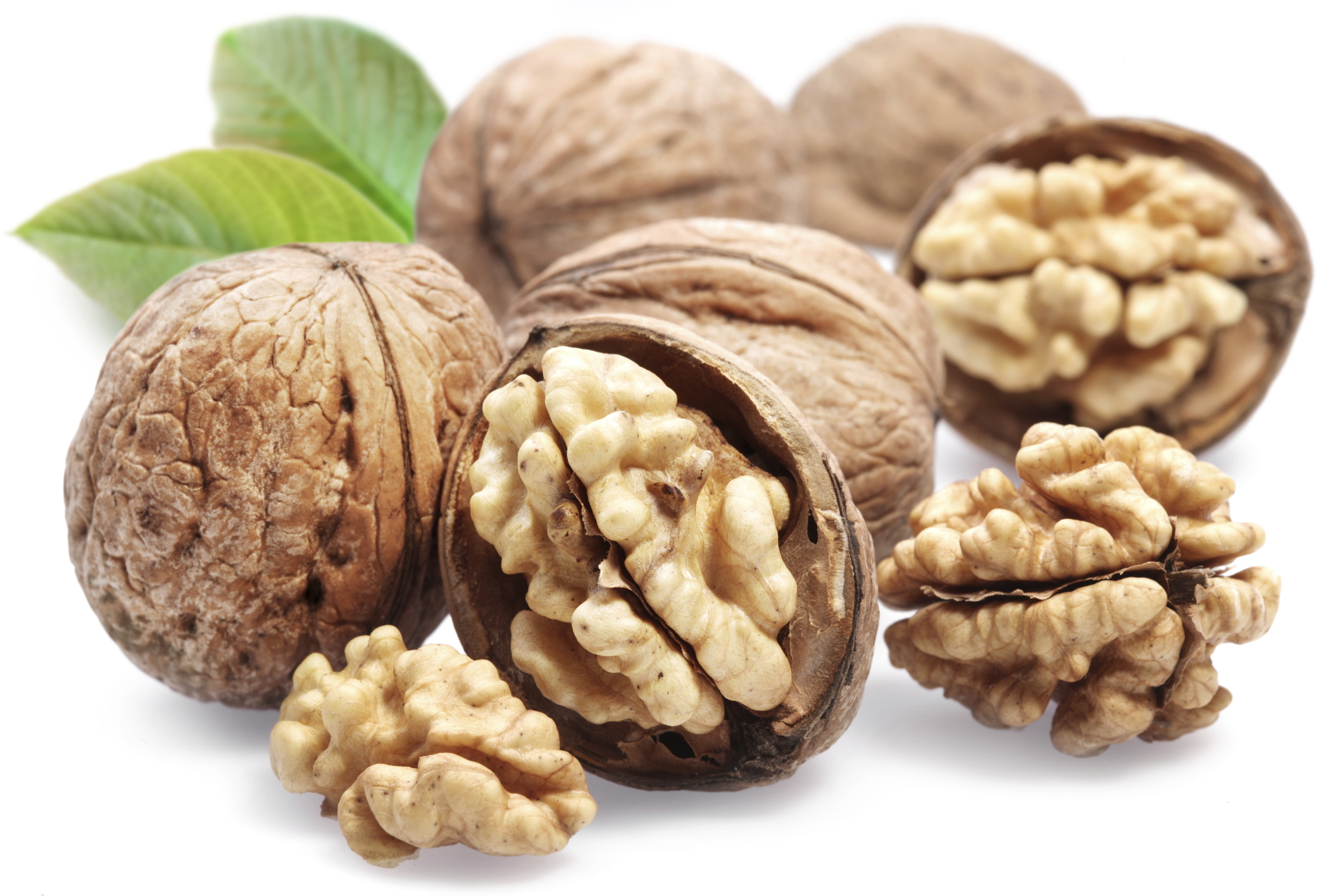
Did you know that approximately 90% of the phenols in walnuts are found in the walnut skin, including key phenolic acids, tannins, and flavonoids? They are also high in vitamin E and omega 3 fatty acids which are heart protective. Phytonutrient research on the antioxidant and anti-inflammatory benefits of walnuts has moved this food further and further up the ladder of foods that are protective against metabolic syndrome, cardiovascular problems, and type 2 diabetes.
-Reyna Franco, MS, RD, CSSD, CPT
Blogmaster's Note: If you would like to learn how food can make you faster and fitter, contact Reyna Franco. She is a registered dietitian-nutritionist, board certified specialist in sports nutrition, and personal trainer. www.reynafranco.com Reyna@reynafranco.com


0 comments:
Post a Comment