Showing posts with label A* Blogger Reyna F. Show all posts

Thursday, May 9, 2013

Miracle Foods? Really??


Reyna F
One of the most frequent nutrition questions people ask is “what is the most nutritious food that I can eat?” Or, “what one food will make me feel better?”  We read and hear so much about "miracle foods."  There are lists of the "Top 10 Miracle Foods." And Dr. Oz always tells his audience about the latest miracle food.  Whether it is pomegranates, raspberry ketones, acai berry, or moringa, everyone wants something, anything, that will make them healthier.  And if you can put it in a capsule, that would be even better!  A magic pill. Yes!! I will take one. But this doesn't exist because if it did, we would all be healthy.

Of note, the journal of Nutrition and Cancer recently published an article, "Reality check: There is no such thing as a Miracle Food" discussing Dr. Oz and the effect of miracle foods.  This is a great read, and you can click here to see the article:   

So what do I tell people when they ask me these questions? First, I tell them there are no miracle foods and they should not waste their money on expensive supplements. Instead eat plenty of fruits and vegetables of many different colors. Each color has a different set of antioxidants.
  • Red fruits and vegetables contain nutrients such as lycopene, ellagic acid, Quercetin, and Hesperidin, to name a few. These nutrients reduce the risk of prostate cancer, lower blood pressure reduce tumor growth and LDL cholesterol levels, scavenge harmful free-radicals, and support join tissue in arthritis cases.  
  • Orange and yellow fruits and veggies contain betacarotene, zeaxanthin, flavonoids, lycopene, potassium, and vitamin C. These nutrients reduce age-related macular degeneration and the risk of prostate cancer, lower LDL cholesterol and blood pressure, promote collagen formation and healthy joints, fight harmful free radicals, encourage alkaline balance, and work with magnesium and calcium to build healthy bones. 
  • Green vegetables contain chlorophyll, fiber, lutein, zeaxanthin, calcium, folate, vitamin C, calcium, and Beta-carotene. The nutrients found in these vegetables reduce cancer risks, lower blood pressure and LDL cholesterol levels, normalize digestion time, support retinal health and vision, fight harmful free-radicals, and boost immune system activity.  
  • Blue and purple contain nutrients which include lutein, zeaxanthin, resveratrol, vitamin C, fiber, flavonoids, ellagic acid, and quercetin. Similar to the previous nutrients, these nutrients support retinal health, lower LDL cholesterol, boost immune system activity, support healthy digestion, improve calcium and other mineral absorption, fight inflammation, reduce tumor growth, act as anticarcinogens in the digestive tract, and limit the activity of cancer cells. 
  • White contain nutrients such as beta-glucans, EGCG, SDG, and lignans that provide powerful immune boosting activity. These nutrients also activate natural killer B and T cells, reduce the risk of colon, breast, and prostate cancers, and balance hormone levels, reducing the risk of hormone-related cancers.
But this information is not enough for most people. They want to hear me name some foods.  Ok, ok.... here are some foods that are loaded with antioxidants, fiber, and protein that you can find at your local supermarket.  They are some high quality foods to include in a healthy, well balanced eating plan:

-      Amaranth
-      Beans
-      Beets
-      Blueberries
-      Broccoli
-      Chia seeds
-      Garlic
-      Green Tea
-      Kefir
-   Walnuts

AMARANTH


You thought quinoa was the best grain. Think again. Amaranth is a gluten free grain that is higher in protein than quinoa.  Amaranth appears to lower cholesterol via its content of plant stanols and squalene. And it is fast and easy to prepare.

BEANS


It is true that beans are good for your heart. They are high in fiber, high in protein, low in fat and calories, high in B vitamins, magnesium, phosphorus and iron, and inexpensive.  When you increase your fiber intake, increase your water intake to reduce the side effects of eating beans. Or take Beano.

BEETS


Beets are high in folate, mangenese, vitamin C, potassium and fiber.  They contain a variety of antioxidants.  Betanin and vulgaxanthin are the two best-studied betalains from beets, and both have been shown to provide antioxidant, anti-inflammatory, and detoxification support. Beet greens are high in lutein and zeaxanthin.  Yellow beets are very high in lutein. Lutein and zeaxanthin are important for eye health.

BLUEBERRIES


These berries are high in the antioxidant anthocyanins and other antioxidants including resveratrol. They are low glycemic index, high in magnesium, vitamin K, vitamin C and fiber, and low in calories.  They are another heart healthy food that is an immune booster.

BROCCOLI


Want to detox naturally?  Eat broccoli. Broccoli contains the phytonutrients glucoraphanin, gluconasturtiian, and glucobrassicin which support all steps in body's detox process, including activation, neutralization, and elimination of unwanted contaminants. Isothiocyanates are the detox-regulating molecules made from broccoli's glucosinolates, and they help control the detox process at a genetic level. Broccoli is also high in fiber, vitamin C, vitamin K, folate and antioxidants. It is an anti-inflammatory food due to the flavoinoid kaempferol.

CHIA SEEDS


Chia seeds are whole grains that have a very high content of fiber.  Even though the seeds are small and don’t appear to be nutrient dense, they are packed with protein, potassium, dietary fiber and omega-3 fatty acids.  Chia seeds are replacing flax seeds due to their higher omega 3 fatty acid content and fiber content.

GARLIC


Garlic contains flavonoids and sulfur-containing nutrients.  Garlic may help improve iron metabolism - the diallyl sulfides in garlic help increase production of a protein called ferroportin. Garlic's sulfides can help dilate our blood vessels and help keep our blood pressure under control. Garlic also contains powerful antioxidants and anti-inflammatories. 

GREEN TEA


Green tea is one of the least processed teas and thus provides the most antioxidant polyphenols, notably a catechin called epigallocatechin-3-gallate , which is believed to be responsible for most of the health benefits linked to green tea. Green tea drinkers appear to have lower risk for a wide range of diseases, from simple bacterial or viral infections to chronic degenerative conditions including cardiovascular disease, cancer, stroke, periodontal disease, and osteoporosis. Green tea contains three major components that promote fat loss: catechins, caffeine and theanine. Green tea may also increase exercise endurance, but you might need to drink 4 cups in order to get this benefit.  

KEFIR


Kefir is a fermented milk drink that is practically lactose free. It is very high in probiotics which support gut health. Kefir contains certain healthy bacteria that is not available in yogurt, including Lactobacillus Caucasus, Leuconostoc, Acetobacter species, Streptococcus species, Saccharomyces kefir and Torula kefir.  It is a good source of vitamin A, D and calcium.

WALNUTS
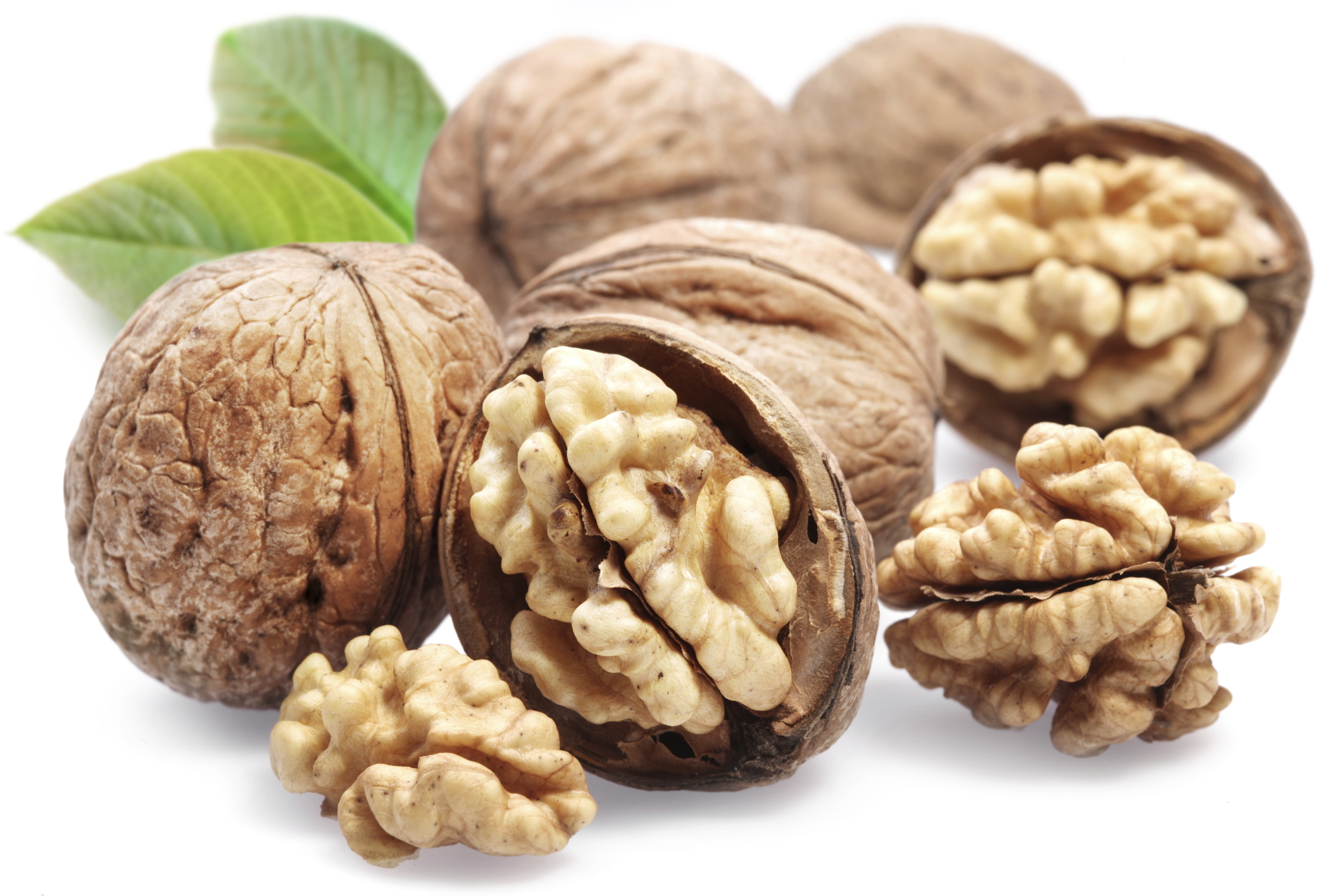


Did you know that approximately 90% of the phenols in walnuts are found in the walnut skin, including key phenolic acids, tannins, and flavonoids? They are also high in vitamin E and omega 3 fatty acids which are heart protective.  Phytonutrient research on the antioxidant and anti-inflammatory benefits of walnuts has moved this food further and further up the ladder of foods that are protective against metabolic syndrome, cardiovascular problems, and type 2 diabetes.

-Reyna Franco, MS, RD, CSSD, CPT

Blogmaster's Note:  If you would like to learn how food can make you faster and fitter, contact Reyna Franco.  She is a registered dietitian-nutritionist, board certified specialist in sports nutrition, and personal trainer.  www.reynafranco.com  Reyna@reynafranco.com

Read more...

Sunday, March 10, 2013

Breakfast of Champions

Reyna F
Whether you are training your body for a running race or the rat race, you have to fuel it properly.  However, the fueling structure will be different depending upon the race of the day and the goals of the week.  Read on to find out how breakfast can give you the advantage in the field or in the office.

Why is breakfast important?  

It is the most important meal of the day for several reasons:

·         Increases mood and performance
·         Boosts energy levels
·         Allows for healthier eating throughout the day
·         Increases concentration


Is this based on scientific evidence?  

Yes.  A number of studies have found that all age groups have better mental acuity when the brain has an adequate supply of fuel. The brain uses glucose as its main fuel, and that means the brain needs carbohydrates. Often it is difficult for a person to tell that their brain functions worsen when blood sugar drops, partly because they are not thinking as straight as usual. But studies point out that speed and accuracy of recalling information do decline.

A study from the Sussex Innovation Centre, Brighton, UK found that eating breakfast improves people's mental performance.  Sixty one percent of test subjects showed improvements in English and mathematics tests after eating breakfast. Hand-eye coordination was also improved. Breakfast eaters also showed a reduction in anxiety levels when faced with stressful situations.

According to the Georgia Centenarian Study, people who regularly eat breakfast have lower rates of Type 2 diabetes and are less likely to develop heart failure over their lifetime than those who don't. This 21-year study of older Americans suggests that regularly eating breakfast may lead to a longer-than-average life span. These are only two of the many studies that provide positive relationships linking breakfast with wellness.

What should I eat for breakfast?

The structure of your breakfast will impact your performance for the day whether it is running or working.  You need carbohydrates and “good” fat for fuel, protein for your cells and muscles, and fruit and/or vegetables for antioxidants and overall health.

The type of carbohydrates will be dependent on whether you plan on running soon after the meal (within 1-4 hours) or running off to work.  If you doing a training run or race, your breakfast should be low fiber and moderate-high glycemic.  Why? The low fiber is easier to digest and will prevent gastrointestinal issues during your run.  Moderate to high glycemic carbs will give you quick energy to fuel your run.  How much you burn while you run is based on several factors:  the effort and your body’s efficiency to burn fat versus carbs. 

If your morning race is running to the subway, then a high fiber, low glycemic breakfast is what you want to fuel your day. This will keep your mind and body alert and active for the challenges that you will encounter at work or school. 

Is it ok to skip breakfast if you do a quick training run (less than one hour)?  

Yes.  Afterwards enjoy a high fiber, low glycemic breakfast. 

How much should you eat for breakfast?

If you plan on eating breakfast before a run, for every hour between eating and exercise, consume just under ½ gram of carbohydrate for every pound that you weigh (about 1 gram per kilogram of weight). Small amounts of “good” fat protein can also be included, but try to keep fat intake low as this will slow down digestion time.  If you plan on running off to work, consider a healthy breakfast that is approximately 500 calories (more or less depending upon your weekly exercise and weight goals).  See my examples below for breakfast ideas.

How about some breakfast examples?  

Vegetable Scramble
1 whole egg
2 egg whites
½ cup spinach
½ cup sliced mushrooms
2 slices of whole wheat bread

Beat the whole egg with the egg whites. In a non-stick pan, scramble the ingredients together.  It is that easy!

Calories 415, Fat 10g, Carbs 50g, Fiber 8g, Protein 28g


Healthy Yogurt Parfait
8 ounces Greek yogurt
1 tbsp. Chia Seeds
1 medium banana
½ cup blueberries

Mix it together to make a tasty breakfast or post long-run recovery snack.

Calories 350, Fat 4g, Carbs 52g, Protein 28g

Yummy Oatmeal Breakfast
1 cup nonfat milk (or soy, almond, rice, hemp milk)
¼ cup Steel cut oats
1 tbsp. Chia Seeds
½ cup blueberries
½ banana
1/8 cup walnuts

Prepare the Steel Cut Oats according to the directions. Then add the additional ingredients for a healthy and delicious breakfast.

Calories 491, Fat 16g, Carbs 74g, Protein 21g

Rainbow Multigrain Pancakes

1/2 cup chopped Walnuts
1 cup Whole Wheat Flour
1 tsp. Baking Powder
½ tsp. Baking Soda
3 tbsp. Chia Seed
½ cup Oat Meal -dry
½ cup Yellow Cornmeal
3 tbsp. Flaxseed Meal
2 cups nonfat Milk (or soy, almond, rice, hemp milk)
1 whole egg
1 cup Mixed berries
1 sliced Banana

Heat up your griddle.  Mix together all the dry ingredients. Then add the milk and egg.  Stir together.  Add Fruit. Stir together. Then pour onto griddle. Flip when bubbles appear on top.

This recipe is supposed to serve 8, but with a runner’s appetite, it is closer to 4 servings.

Calories 432, Fat 16g, Carbs 50g, Protein 22g

Banana French Toast
This family recipe was shown on Rachael Ray, prepared by my son Marc when he was 8 years old.
·         Slice a banana into thins slices
·         Beat together 2 whole eggs, 2 tbsp. of milk, a drop or two of vanilla extract
·         Dip whole wheat bread in the egg mixture (or challah bread if you want to the less healthy, but more authentic recipe)
·         Place the bread on a hot griddle
·         Place one layer of banana on top of the bread
·         Flip bread carefully when side one is slightly brown, the banana will caramelize while cooking on the opposite side
·         Remove the Banana French Toast carefully when done.

Enjoy! The sweetness from the caramelized banana eliminates the need for syrup.

Don’t have time to cook?  

Here are some quick and easy ideas:

·         Whole grain cereal, nonfat milk (or soy, almond, rice, hemp milk, berries and chia seeds
·         Whole wheat bread, peanut, cashew, soy or almond butter, whole fruit jelly or honey, and a banana
·         Egg salad, chia seeds, whole wheat bread, lettuce and tomato
·         Last night’s leftovers

Your mom was right. Don’t leave the house without eating breakfast.  If you need more advice on breakfast or anything else related to nutrition, wellness or exercise, contact NY Flyer member Reyna Franco, registered dietitian, personal trainer, board certified specialist in sports dietetics, www.reynafranco.com, Reyna@reynafranco.com

-Reyna F

Read more...

Wednesday, February 20, 2013

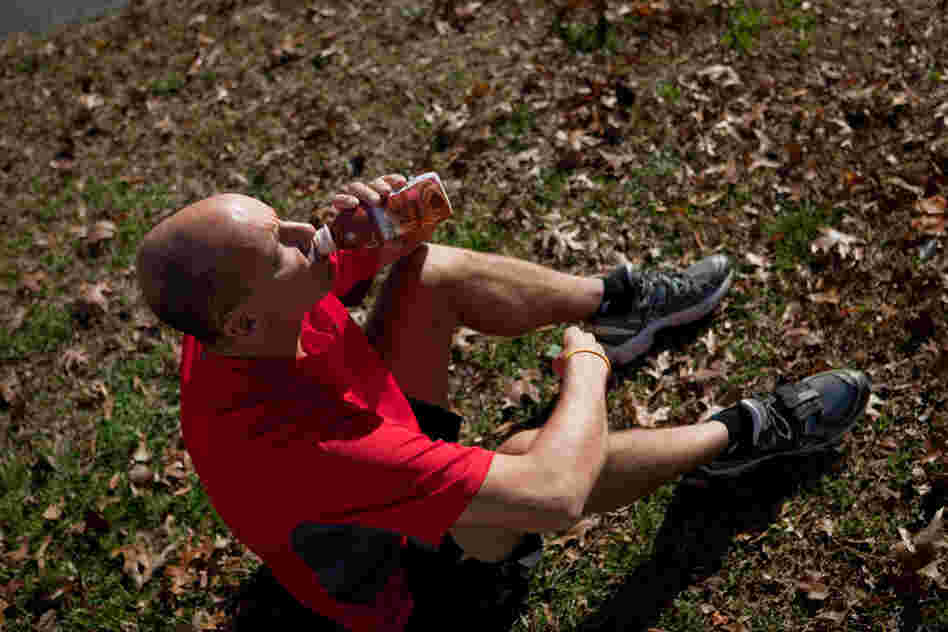
My Favorite Recovery Drink

Reyna F
During my last run, I was asked “Is it true that chocolate milk is a good recovery drink?”  The answer is “yes.” This has been backed up by a variety of scientific studies, the most recent in Medicine and Science in Sports and Exercise, Oct. 15, 2012, “Chocolate Milk...Post  Exercise Recovery.” This is a review article that found low-fat chocolate milk, which consists of a 4:1 carbohydrate:protein ratio, provides fluids and sodium to aid in post-workout recovery. Consuming chocolate milk immediately after exercise and again at 2 hours post-exercise appears to be optimal for exercise recovery and may attenuate indices of muscle damage.


One of my favorite studies that I like to cite was in the February 2006 issue of the International Journal of Sports Nutrition and Exercise Metabolism.  In three trials administered at one-week intervals, nine male endurance trained cyclists performed an interval workout, then drank one of three drinks after 2 hours of recovery. One group got standard 2% chocolate milk, another drank fluid- and electrolyte-replenishing Gatorade and a third group Endurox R4, a specially formulated beverage with a "patented 4 to 1 ratio of carbohydrates to protein" and other ingredients aimed at replenishing muscle glycogen stores and helping rebuild muscle.  Four hours later they performed an endurance trial to exhaustion at 70% VO2max.  The study reported that the cyclists who drank chocolate milk were able to continue cycling about 50% longer than those who drank Endurox R4 and about equally as long as those who drank Gatorade.


There is a common factor in all the chocolate milk recovery studies – they are done on male cyclists, although there is one study on collegiate soccer players.  So what does that mean to us?  If you are a male endurance trained cyclist, chances are that chocolate milk is a good recovery drink.  What if you are a female runner?  There are no studies that prove the same benefits, but it will probably be a good choice after a bout of exercise. 

I recommend chocolate milk to all my athletes as a recovery drink.  Why?  It contains carbohydrates that are needed to refuel the muscles.  It contains protein that provides amino acids for building and repairing of muscle tissues.  Also, a little protein might give an athlete a performance edge by enhancing the insulin release, which aids in the transport of carbohydrates to the muscles.  It contains calcium, a nutrient that most adults don’t get enough of.  It is easy to make and less expensive than commercial drinks.  And it tastes good!


But what if you don’t consume dairy? Cow’s milk contains 12-13 grams carbs and 8 grams of protein for one cup while the same amount of soy milk contains 5-15 grams of carbs and 6 to 8 grams of protein.  If you drink soy milk, select one that is close to 12-13 grams of carbs and 8 grams of protein.  Make sure you purchase soy milk with added calcium and vitamin D. Almond milk contains 8 grams of carbs and one gram of protein.  Almond milk does not have sufficient protein or carbs to make a recovery chocolate milk. That doesn’t mean you shouldn’t drink it; it just means you need to supplement it with additional carbs and protein for recovery sake.  


Eat well to run strong!

Reyna Franco, MS, RD, CSSD, CPT

Read more...

Monday, January 14, 2013

Metabolism: Bust the Myths (Part 2)


Reyna F
This is Part 2 of a two part blog post on metabolism. Part 1 explained RMR/BMR and how to determine these factors (click here).  Part 2 explains what will and will not impact metabolism.

Part 2 is written in a myth-busting format since I get so many interesting questions regarding how to increase metabolism.  See how many True/False questions you get right!


Your body burns more calories digesting ice cold beverages and foods (T/F)

True. But the small difference in calories probably won't make a significant dent in your diet. Different studies have suggested that five or six ice-cold glasses of water could help you burn about 10 extra calories a day equaling about 1 pound of weight loss each year.


Drinking the right amount of water can help you burn more calories (T/F)

True. There are 2 theories:
1.  All of your body's chemical reactions, including your metabolism, depend on water. If you are dehydrated, you may be burning up to 2% fewer calories, according to researchers at the University of Utah who monitored the metabolic rates of 10 adults as they drank varying amounts of water per day. In the study, those who drank either eight or twelve 8-oz glasses of water a day had higher metabolic rates than those who had four.
2.  In 2003, an article was published in the Journal of Clinical Endocrinology and Metabolism. It spoke of a study involving seven healthy men and seven healthy women. All participants were of normal weight. Each participant consumed 500 ml of water per day (a half-liter or about a pint). When their metabolic rates were measured, the researchers found that all metabolic rates were increased by roughly 30 percent. This spike in the metabolism, according to the study, occurred quickly after water consumption: the metabolism was at its greatest spike within a half an hour and was maintained for more than an hour. In that time they burned an extra 25 calories.

What is the reason for this? Researchers theorized that most of the effect comes from warming the water in the stomach. In the male participants, the calories came mostly from stored fat, in the women it came from stored carbohydrates. The water enters the body cold and must be warmed up in the stomach. This "warming up" causes the body's metabolism to increase briefly.  This study further substantiates the idea that ice water, in particular, can help burn calories. Just as the researchers stated above, the ice water in your system must be warmed up by your body. It goes in cold, but when it exits it's no longer freezing. The conversion from ice water to warm water burns calories.

Dieting drops your resting metabolic rate, making it harder to keep weight off (T/F)
True. For every pound you lose, your resting metabolism drops by about 2 to 10 calories a day. Lose 10 pounds, and you now have to eat 20 to 100 fewer calories to maintain your trimmer physique, not factoring in exercise. However, you can prevent your metabolic rate from slipping while you get slim. One way is to lose fat but maintain muscle. You can do this by reducing calories and increasing aerobic and resistance exercise.

Hot foods will fire up metabolism (T/F)

True. While capsaicin is often linked to an increased metabolic rate, specific information varies by study.

ü  In 2008, a study published in the Journal of Biological Chemistry indicated that "the consumption of [capsaicin] is linked with increased metabolic rate and core body temperature." The study found the active chemical in peppers can directly induce thermogenesis, the process by which cells convert energy into heat.
ü  Another study reports that about 1 tbsp. or 30 milligrams of capsaicin, or one tablespoon of chopped red or green chili pepper, has been shown to temporarily boost metabolism by 23 percent.
ü  Stanford University claims that there could be as much as a "50 percent increase in metabolism for three hours after eating capsaicin."
ü  Other reports indicate that an increase may be as negligible as less than 10 percent.

Eating more protein will rev up your metabolism (T/F)   

True. Evidence exists that protein exerts an increased thermic effect when compared to fat and carbohydrate. Evidence is also convincing that higher protein diets increase satiety when compared to lower protein diets. In general, the typical thermic effect of protein is 20% – 35% of energy consumed, and for carbohydrate this number usually falls between 5% –15%.

The thermic effect of fat is a subject of debate. Some have found that fat has a lower thermic effect compared to carbohydrate, while others have found no difference between the two. A main reason for the difference in the thermic effects of food may be due to the fact that the body has no storage capacity for protein and thus it needs to be metabolically processed immediately. The synthesis of protein, the high ATP cost of peptide bond synthesis as well as the high cost of urea production and gluconeogenesis are often cited reasons for the higher thermic effect of protein.

Eating a grapefruit before every meal speeds metabolism (T/F)

False. Grapefruit won't work miracles for your metabolism, but it can help you lose weight. Half a grapefruit before meals helped individuals lose about 4 pounds in 12 weeks, according to a study published in the Journal of Medicinal Food. The reason: its fiber and water fill you up on fewer calories, so you eat less at your next meal. 

Celery is a "negative calorie food" because digesting it uses up more calories than it provides (T/F)
False. The thermal effect of food (TEF) causes the body to burn calories as it processes food. But this process accounts for anywhere from 0 to 30% of the calories consumed. A medium size rib of celery has about 6 calories; its TEF is approximately 1/2 a calorie.

If you have limited time, exercise at a higher intensity for a metabolic after-burn. (T/F)

True. The exercise after-burn, or the calories expended (above resting values) after an exercise bout, is referred to as ‘excess post-exercise oxygen consumption’ or EPOC. This represents the oxygen consumption above resting level that the body is utilizing to return itself to its pre-exercise state.

The physiological mechanisms responsible for this increased metabolism include the replenishment of oxygen stores, phosphagen (ATP-PC) resynthesis, lactate removal, and the increased ventilation, blood circulation and body temperature above pre-exercise levels. Studies have found that the magnitude and duration of EPOC is dependent on the intensity and duration of exercise. It generally takes anywhere from 15 minutes to 48 hours for the body to fully recover to a resting state. Other factors influencing EPOC include training status and gender.

Lifting weights boosts your metabolism more than a cardio workout (T/F)

False.  Leading exercise physiologists conducted a comprehensive review of the research on exercise and weight loss for the American College of Sports. While resistance training was recommended for its beneficial role in potentially improving muscle, strength and power, they found no evidence that it enhanced weight loss, especially when combined with dieting.

A common claim is that every extra pound of muscle burns from 30 to 50 calories per day. Some sources cite that one pound of muscle can burn an extra 100 calories per day.   In reality, one pound of muscle burns about 7 to 15 calories a day.

A high-intensity workout that combines weight training and cardio without any breaks will raise your heart rate, burn the most calories and provide the longest sustained metabolic boost--though it won't have a permanent effect on your RMR. The increase in metabolism is due to the increased excess post-exercise oxygen consumption (EPOC) which some people call the “after-burn”.  EPOC is the total oxygen consumed after exercise in excess of a pre-exercise baseline level. The greater the EPOC, the longer you will burn calories.  Incorporate high intensity interval training (HIIT) and sprints for the increased “afterburn.”


PMS cravings are related to the boost in metabolism before your period (T/F)

Studies do not agree: One theory states that our resting metabolic rate may increase during the luteal phase of the menstrual cycle (the day after ovulation to the first day of your period). The metabolic boost can equal as much as 300 calories a day which is why our appetite increases during this phase.

But another study indicates metabolic rate and calorie expenditure do not increase during that time of the month. What does happen is a change in hormones that cause an increase in appetite to prepare the woman's body for pregnancy and to increase weight.

Green Tea boosts metabolism (T/F)

Possibly. Green tea is one of the most common herbal supplements that is being added to thermogenic products because it has been suggested to affect weight loss and is now the fourth most commonly used dietary supplement in the U.S. Green tea contains high amounts of caffeine and catechin polyphenols. The primary catechin that is associated with the potential effects on weight loss through diet induced thermogenesis is the catechin epigallocatechin gallate, also known as EGCG.

  • Dulloo et al reported that green tea supplementation in combination with caffeine (e.g., 50 mg caffeine and 90 mg epigallocatechin gallate taken 3-times per day) significantly increased 24-hour energy expenditure and fat utilization in humans to a much greater extent than when an equivalent amount of caffeine was evaluated suggesting a synergistic effect. 
  • Research by Di Pierro and colleagues reported that the addition of a green tea extract to a hypocaloric diet resulted in a significant increase in weight loss (14 kg vs. 5 kg) versus a hypocaloric diet alone over a 90 day clinical trial.
  • Maki and coworkers also demonstrated that green tea catechin consumption enhanced the exercise-induced changes in abdominal fat.
Green tea has been theorized to increase energy expenditure by stimulating brown adipose tissue thermogenesis.  Note there are also human and animal studies that have not supported these findings and have reported that supplementation of these extracts does not affect weight loss.


What can you do to increase your metabolism?

  1. Exercise more and/or add interval training and sprints into your weekly workouts. 
  2. Add chili pepper and turmeric to food, and drink green tea.
  3. Include weight training to maintain or build muscle mass, but include cardio for weight loss and wellness.
  4. Avoid products that are “metabolism boosters” since they are not regulated and there are possible risks associated with these products. And once you stop using them, you end up gaining the weight back.
References:
  • American Journal of Clinical Nutrition
  • Journal of Applied Physiology
  • Journal of Biological Chemistry
  • Journal of the American College of Nutrition
  • Journal of the Academy for Nutrition and Dietetics
  • Journal of the International Society of Sports Nutrition
For more information, contact Reyna Franco (Reyna@reynafranco.com). She is a registered dietitian, certified personal trainer, certified specialist in sports dietetics and NY Flyers member.  Her office is located on the upper west side and she counsels individuals and groups on sports and medical nutrition.  Her new and improved website is www.reynafranco.com.


Read more...

Thursday, December 27, 2012

Metabolism: Bust the Myths (Part 1)

Reyna F
I often get asked “what is my metabolism?” or “how do I boost my metabolism?”  Depending upon the person, they can get the short, simplified answer or the long explanation.  You are the lucky ones who are getting the long, scientific answer.  It is so long that I split this into two parts. Part 1, which you are reading, defines metabolism and how you can determine your metabolism. Part 2 will explain what will and what will not improve metabolism.  So continue reading to learn more.

What is Metabolism?              

Metabolism is the sum total of all chemical reactions involved in maintaining the living state of the cells, and thus the organism. Metabolism is divided into two categories: catabolism or the break down of molecules to obtain energy; and anabolism or the synthesis of all compounds needed by the cells (examples are DNA, RNA, and protein synthesis).


Difference Between BMR and RMR

BMR and RMR are estimates of how many calories you would burn if you were to do nothing but rest for 24 hours. It is the minimal rate of energy consumption necessary to support all cellular functions and accounts for 50-75% of total energy expenditure in humans. They represent the minimum amount of energy required to keep your body functioning, including your heart beating, lungs breathing, and body temperature normal.

·        BMR stands for Basal Metabolic Rate, and is synonymous with Basal Energy Expenditure or BEE. BMR measurements are typically taken in a darkened room upon waking after 8 hours of sleep; 12 hours of fasting to ensure that the digestive system is inactive; and with the subject resting in a reclining position. BMR is measured by indirect calorimetry after the subject has fasted ~12 h (usually overnight), then rested motionless in a supine position 20-30 min in a thermally neutral environment. The subject is instructed to remain still for the next 30-40 min while the indirect calorimetry measurements are taken. The procedure is not only time-consuming but requires extensive subject cooperation as well as accurate and precise flow and concentration measurements, using sophisticated flow and gas analyzers.


  • RMR stands for Resting Metabolic Rate, and is synonymous with Resting Energy Expenditure or REE. RMR measurements are typically taken under less restricted conditions than BMR, and do not require that the subject spend the night sleeping in the test facility prior to testing. An example of a device used to determine RMR is “BodyGem.”  


Several factors impact metabolism:
  • Body size and composition. The bodies of people who are larger or have more muscle burn up more calories, even at rest.
  • Gender. Men generally have less body fat and more muscle than women of the same age and weight, thereby burning more calories.
  • Age. As one get older, the amount of muscle tends to decrease and fat accounts for a greater percentage of weight, slowing down metabolism.
  • Heredity. Some people are born with faster metabolisms, while others naturally have slower metabolisms.
  • Hormones such as thyroid and insulin.
  • Medication
  • Stress
  • Sleep
  • Thermogenesis or the Thermic Effect of Food (TEF).  Digesting, absorbing, transporting and storing of food consumed. This accounts for about 10 percent of the calories used each day. For the most part, the body's energy requirement to process food stays relatively steady and isn't easily changed.
  • Calorie expenditure. Lifestyle, exercise, movement.
Calculating BMR/RMR
There are several calculations and apps for determining metabolism.  As you see below, there are quite a few.  Which is the best? Most programs and apps use the Harris-Benedict equation.  But Mufflin is a bit more accurate for average adults.  Two formulas that consider lean body mass (LBM) include the Katch-McArdle equation (BMR) and the Cunningham equation (RMR). These formulas should be used for athletic adults where muscle mass is significantly higher than average.

BMR and RMR Equations

The Harris-Benedict equation for BMR:
  • For men: (13.75 x w) + (5 x h) - (6.76 x a) + 66
  • For women: (9.56 x w) + (1.85 x h) - (4.68 x a) + 655

The Mufflin equation for RMR:
  • For men: (10 x w) + (6.25 x h) - (5 x a) + 5
  • For women: (10 x w) + (6.25 x h) - (5 x a) - 161

Where:
w = weight in kg
h = height in cm
a = age

Katch-McArdle (BMR):  370 + (21.6 x LBM)
  • To calculate LBM, multiple total body weight by body-fat percentage. If one has 10% body fat and weighs 80 kg, his LBM would be 72 kg (i.e., body weight of 80 kg – 10% body fat of 8 kg = 72 kg of LBM). Therefore, using the Katch-McArdle equation: 370 + (21.6 x 72) = 1,925
Note that this result is significantly higher than the non-LBM formulas (Harris-Benedict and Mifflin).

Cunningham (RMR) - 500 + (22 x LBM)
  • This formula is similar to Katch-McArdle, but provides a slightly higher estimate.
500 + (22 x 72) = 2,084

Using the Calculations
As BMR and RMR only represent resting energy expenditure, an adjustment must be made to reflect activity level. This is done by multiplying BMR or RMR by an activity factor. Note that the following activity factors also take into account the thermic effect of food:

Activity Factor
Category
Definition
1.2
Sedentary
Little or no exercise and desk job
1.375
Lightly Active
Light exercise or sports 1-3 days a week
1.55
Moderately Active
Moderate exercise or sports 3-5 days a week
1.725
Very Active
Hard exercise or sports 6-7 days a week
1.9
Extremely Active
Hard daily exercise or sports and physical job


Use of these activity factors produces a very rough estimate, and there are many different opinions on what these activity factors should be.

Now that you estimated your metabolism, what can be done to change it?  Stay tuned for Part 2 of Metabolism: Bust the Myth.

-Reyna F 

Blogmaster's Note:  For more information, contact Reyna Franco (Reyna@reynafranco.com). She is a registered dietitian, certified personal trainer, certified specialist in sports dietetics and NY Flyers member.  Her office is located on the upper west side and she counsels individuals and groups on sports and medical nutrition.  Her website which is in the process of being upgraded is www.reynafranco.com.

Read more...

Thursday, October 25, 2012

Muscle Cramping During Exercise

Reyna F
A common sports nutrition question I receive is about muscle cramping.  We have all experienced it and it is not a pleasant feeling.  I can tell you exactly when I will get a muscle cramp.  In late March, when I do my first long, hard bicycle ride of more than fifty miles, I will get a cramp in my calf sprinting up the hill on Hudson Terrace.  Why does this occur?  It will be obvious if you continue reading.

WHAT IS A MUSCLE CRAMP?

Muscle cramping is a common, painful, physiological disturbance of skeletal muscle. Many athletes are regularly frustrated by exercise-induced muscle cramp (EIMC) and until recently there have been few scientific studies on the topic. When I first researched the topic in 2005, I found only two current scientific studies and one review article on the topic.  Since then, the number of studies have increased and the results have been similar.  Meanwhile, there has been a perpetuation of myths as to the cause and treatment of EIMC.

Why do we sometimes experience muscle cramps while exercising?  Is it due to dehydration, not enough to eat, insufficient training, or some other reason?  Here is my attempt to find the truth of what causes muscle cramps and how they can be prevented. 

  • Is it dehydration?  First is a study of ten male cyclists who cycled for 30 minute bouts who were hypohydrated (under hydrated) with a loss of an average of 3% of their bodyweight. This study found that mild hypohydration with minimal neuromuscular fatigue does not seem to predispose individuals to cramping. Thus, cramps may be more associated with neuromuscular fatigue than dehydration/electrolyte losses. The effect of greater fluid losses on cramp threshold frequency needs to be researched. In addition, this was an extremely small subject group of only males.  (Med Sci Sports Exerc. 2010 Nov;42(11):2056-63). Three percent hypohydration does not affect threshold frequency of electrically induced cramps. Miller KC, Mack GW, Knight KL, Hopkins JT, Draper DO, Fields PJ, Hunter I.)
  • Is it electrolytes? In a study researching triathletes suffering from EIMC after the 2000 South African Ironman Triathlon, eleven athletes formed the cramping group. Nine non-cramping triathletes were matched for race finishing time and body mass formed the control group.   Post-race sodium concentration was significantly lower in the cramping group than the control group but was within the normal clinical range of post-race serum sodium concentrations. There were no significant differences between the two groups for post-race serum electrolytes, glucose, hemoglobin concentrations or hematocrit. The authors of the study concluded that acute EIMC in Ironman triathletes is not associated with a greater percent body mass loss or clinically significant differences in serum electrolyte concentrations. The increased EMG activity of cramping muscles may reflect increased neuromuscular activity. However, this is another example of a small subject group.  (Medicine, Science and Sports Exercise 2005 July;37(7):1081-5)

  • Is it electrolytes and hydration? Another study researched whether EIMC in distance runners is related to changes in serum electrolyte concentrations and hydration status.  Seventy-two runners participating in an ultra-distance road race were followed up for the development of EIMC.  Twenty-one runners who suffered from acute EIMC during the race formed the cramp group, while 22 runners with no history of EIMC during the race formed the control group.  There were no significant differences between the two groups for pre-race or post-race body weight, per cent change in body weight, blood volume, plasma volume, or red cell volume. The immediate post-race serum sodium concentration was significantly lower in the cramp group than in the control group. The immediate post-race serum magnesium concentration was significantly higher in the cramp group than in the control group. The study authors concluded that there are no clinically significant alterations in serum electrolyte concentrations and there is no alteration in hydration status in runners with EIMC participating in an ultra-distance race. (British Journal of Sports Medicine 2004 Aug;38(4):488-92)


In a study of Ironmen racers, 43 out of 209 triathletes reported EIMC and were compared to the 166 who did not report EIMC after an Ironman. There were no significant differences between groups in any pre-race-post-race serum electrolyte concentrations and body weight changes. The development of EIMC was associated with faster predicted race times and faster actual race times, despite similarly matched preparation and performance histories in subjects from both groups. A regression analysis identified faster overall race time (and cycling time) and a history of cramping (in the last 10 races) as the only two independent risk factors for EIMC.

The results from this study add to the evidence that dehydration and altered serum electrolyte balance are not causes for EIMC. Rather, endurance runners competing at a fast pace, which suggests that they exercise at a high intensity, are at risk for EIMC. (Br J Sports Med. 2011 Jun;45(8):650-6. Epub 2010 Dec 9. Increased running speed and previous cramps rather than dehydration or serum sodium changes predict exercise-associated muscle cramping: a prospective cohort study in 210 Ironman triathletes. Schwellnus MP, Drew N, Collins M.)


WHAT DOES THIS MEAN ABOUT FOR THE ELECTROLYTE AND HYDRATION HYPOTHESIS?

A review of the four human studies that evaluated hydration and electrolyte status, and although two out of the four had an extremely small sample size, shows that they all concluded hydration and electrolyte status do not have a significant impact on EIMC.  Obviously more research in this area is necessary.

To support this, I found the most recent review article on the topic.  Review articles are always interesting to read since they summarize the scientific studies on a specific subject.  The review examined current scientific evidence in support of (1) the "electrolyte depletion" and "dehydration" hypotheses and (2) the "altered neuromuscular control" hypothesis in the aetiology of EIMC.

Scientific evidence in support of the "electrolyte depletion" and "dehydration" hypotheses for the aetiology of EIMC comes mainly from 18 anecdotal clinical cases, and one small (n = 10) case-control study. Results from four prospective cohort studies do not support these hypotheses. The reviewer surmised that the "electrolyte depletion" and "dehydration" hypotheses do not offer plausible pathophysiological mechanisms with supporting scientific evidence that could adequately explain the clinical presentation and management of EIMC.

Scientific evidence for the "altered neuromuscular control" hypothesis is based on results from research studies in human models of muscle cramping, epidemiological studies in cramping athletes, and animal experimental data. Schwellnus concluded that the “altered neuromuscular control” hypothesis is the likely cause of EIMC.  (Br J Sports Med. 2009 Jun;43(6):401-8. Epub 2008 Nov 3. Cause of exercise associated muscle cramps (EIMC)--altered neuromuscular control, dehydration or electrolyte depletion? Schwellnus MP.)

Ok. So now we know EIMC is probably not caused by dehydration or electrolyte depletion.  What evidence do we have that it is something else? Here is a study for our Ironmen and women. 

A case-control study of 433 Ironmen found those who self-reported EIMC were taller, heavier, and had faster Ironman times.  What I found interesting was an association among a positive family history for EIMC and a history of tendon and/or ligament injuries.  This study concluded that a history of EIMC is associated with:

(1) exercising at a higher intensity during a race that may result in premature muscle fatigue,
(2) an inherited risk (positive family history), and
(3) a history of tendon and/or ligament injury.
(Clin J Sport Med. 2011 May;21(3):204-10. Factors associated with a self-reported history of exercise-associated muscle cramps in Ironman triathletes: a case-control study. Shang G, Collins M, Schwellnus MP.)

Now a study for the ultra runners of the club.  Out of 49 runners participating in a 56 km race, 20 runners reported EIMC (EIMC group) during or within 6 hours after the event.  Runners in the EIMC group tended to report on average longer training sessions during the 3 days before the race. Significant risk factors for EIMC were a past history of EIMC, faster running pace at the early stage of a race (28km split) and possibly pre-race muscle damage. (Br J Sports Med. 2011 Nov;45(14):1132-6. Epub 2011 Mar 13. Increased running speed and pre-race muscle damage as risk factors for exercise-associated muscle cramps in a 56 km ultra-marathon: a prospective cohort study. Schwellnus MP, Allie S, Derman W, Collins M.)

For those who prefer technical explanations, I have one for you too. Disturbances at various levels of the central and peripheral nervous system and skeletal muscle are likely to be involved in EIMC and may explain the diverse range of conditions in which cramp occurs. Disturbance in the activity of proprioceptors may occur through faulty posture, shortened muscle length, intense exercise and exercise to fatigue, resulting in increased motor neuron activity and motor unit recruitment. (Sports Medicine 1996 Jun;21(6):409-20) 

SO WHAT DOES THIS ALL MEAN?

There is greater evidence supporting the theory that EIMC is due to tight muscles, muscle fatigue, a history of tendon and/or ligament injury, exercising at a high intensity and/or family history vs. hydration and electrolyte theories.

It doesn’t mean the hydration and electrolytes are not important. Although they may not impact EIMC, they are essential for many other muscular and bodily functions.

  
WHAT CAN WE DO TO PREVENT EIMC?

You can’t change your family or injury history. But you can do some things to prevent EIMC. According to some researchers, the key to prevention of EIMC is to reduce the risk of developing premature muscle fatigue. (Clin Sports Med. 2008 Jan;27(1):183-94, ix-x. Muscle cramping in athletes--risk factors, clinical assessment, and management. Schwellnus MP, Drew N, Collins M.)

How do you do that?  By proper training and conditioning that includes weight lifting and stretching.  If you bike ride, make sure you are positioned properly on your bicycle. This can be done by going to a bike fit specialist.


WHAT SHOULD YOU DO IF YOU GET EIMC? 

The most effective immediate management of EIMC is rest and passive stretching. (Clin Sports Med. 2008 Jan;27(1):183-94, ix-x. Muscle cramping in athletes--risk factors, clinical assessment, and management. Schwellnus MP, Drew N, Collins M.)

Now get stretching and weight training to prevent those nasty muscle cramps. 

-Reyna F, MS, RD, CSSD, CPT

Read more...

  © Blogger templates The Professional Template by Ourblogtemplates.com 2008

Back to TOP