
Vitamins and Minerals for Endurance Athletes
 |
| Reyna F |
As endurance athletes, we put a lot of stress on our body. Yes, exercise is very healthy and essential but it also stresses many of the metabolic pathways where micronutrients are required, and exercise training may result in muscle biochemical adaptations that increase micronutrient needs. We must eat adequate nutrients in order to not be deficient in any essential vitamins and minerals. When one eats a varied diet of fruits, vegetables, whole grains and lean proteins, they generally are do not have any insufficiencies. However, people who limit their food intake may benefit from a multivitamin/mineral. Studies have found that people who have a healthy, well balanced eating plan do not need a multi-vitamin/mineral, and adding a multivitamin/mineral does not improve performance or endurance.
The most common vitamins and minerals found to be of concern in athletes' diets are calcium and vitamin D, the B vitamins, iron, zinc, magnesium, as well as some antioxidants such as vitamins C and E, β-carotene, and selenium. Here is information from the position paper from the ACSM, AND, and the Dietitians of Canada on these nutrients (J Am Diet Assoc. 2009;109:509-527):
B Vitamins (Thiamin, Riboflavin, Niacin, Vitamin B6, Pantothenic Acid, Biotin, Folate, Vitamin B12)

Function: B vitamins are used for energy production and the building and repair of muscle tissue. Specifically, thiamin, riboflavin, niacin, pyridoxine (B6), pantothenic acid, and biotin are involved in energy production during exercise, whereas folate and vitamin B12 are required for the production of red blood cells, for protein synthesis, and in tissue repair and maintenance including the central nervous system.
Research: Limited research has been conducted to examine whether exercise increases the need for the B vitamins. Some data suggest that exercise may slightly increase the need for these vitamins as much as twice the current recommended amount; however, these increased needs can generally be met with higher energy intakes. Although short-term marginal deficiencies of B vitamins have not been observed to impact performance, severe deficiency of vitamin B12, folate, or both may result in anemia and reduced endurance performance. Therefore, it is important that athletes consume adequate amounts of these micronutrients to support their efforts for optimal performance and health.
Bottom line: People at greatest risk of these deficiencies are vegetarians and those with disordered eating behaviors. If you are at risk, get a blood test from your doctor to determine whether you are deficient and need supplementation.
Vitamin D

Function: Vitamin D is required for adequate calcium absorption, regulation of serum calcium and phosphorus levels, and promotion of bone health. Vitamin D also regulates the development and homeostasis of the nervous system and skeletal muscle. Athletes who live at northern latitudes or who train primarily indoors throughout the year are at risk for poor vitamin D status. We derive most of our vitamin D from the sun and less from food.
Bottom line: It is recommended that one gets their vitamin D level tested before taking supplementation. It is a simple blood test that you can get from your doctor.
Antioxidants (Vitamins C and E, β-Carotene, and Selenium)

Function: The antioxidant nutrients, vitamins C and E, β-carotene, and selenium, play important roles in protecting cell membranes from oxidative damage. Since endurance exercise significantly increases oxygen consumption, it has been hypothesized that long-term exercise produces a constant oxidative stress on the muscles and other cells leading to lipid peroxidation of membranes. However, well-trained athletes may have a more developed endogenous antioxidant system than sedentary individuals. Whether exercise increases the need for antioxidant nutrients remains controversial. There is little evidence that antioxidant supplements enhance physical performance.
Research: The evidence that a combination of antioxidants or single antioxidants such as vitamin E may be helpful in reducing inflammation and muscle soreness during recovery from intense exercise remains unclear. Although the ergogenic potential of vitamin E concerning physical performance has not been clearly documented, endurance athletes may have a higher need for this vitamin. Vitamin E supplementation has been shown to reduce lipid peroxidation during aerobic/endurance exercise and have a limited effect with strength training. There is some evidence that vitamin E may attenuate exercise-induced DNA damage and enhance recovery in certain active individuals; however, more research is needed. Athletes are advised not to exceed the tolerable upper intake levels (UL) for antioxidants because higher doses could be pro-oxidative with potential negative effects.
Vitamin C supplements do not seem to have an ergogenic effect if the diet provides adequate amounts of this nutrient. Because strenuous and prolonged exercise has been shown to increase the need for vitamin C, physical performance can be compromised with marginal vitamin C status or deficiency.
Bottom line: Athletes who participate in habitual prolonged, strenuous exercise should consume 100-1000 mg of vitamin C daily, preferably from food which supplies additional antioxidants and phytonutrients that you cannot get from a pill.
Calcium
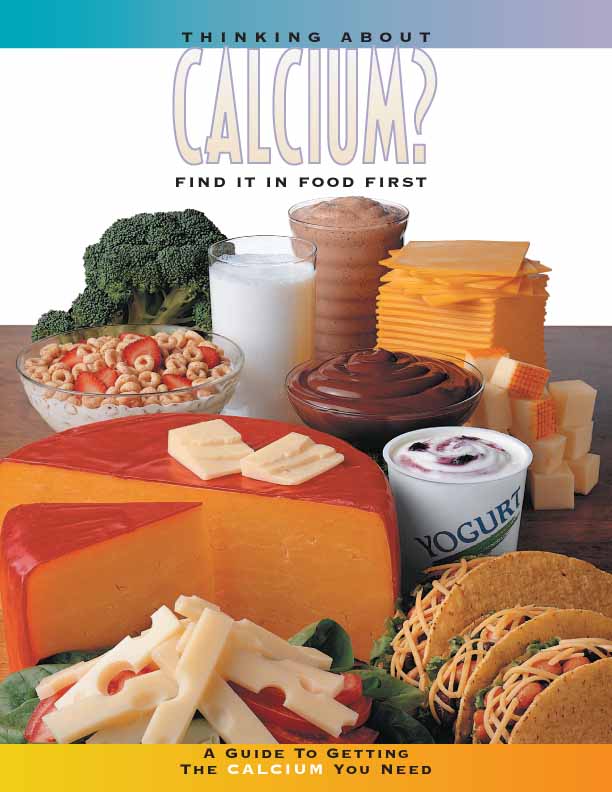
Function: Calcium is important for growth, maintenance and repair of bone tissue, maintenance of blood calcium levels, regulation of muscle contraction, nerve conduction, and normal blood clotting. Inadequate dietary calcium and vitamin D increase the risk of low bone mineral density and stress fractures.
Bottom line: Those who restrict dairy products are often low in calcium. Calcium requirements are 1000mg for men 19-70 and women 19-50. Women 51 and older, and men older than 71 require 1200mg of calcium daily. Try to meet your calcium needs through food. If you cannot, take the minimal necessary amount of supplemental calcium to meet your daily requirement.
Iron

Function: Iron is required for the formation of oxygen-carrying proteins, hemoglobin and myoglobin, and for enzymes involved in energy production. Oxygen-carrying capacity is essential for endurance exercise as well as normal function of the nervous, behavioral, and immune system. Iron depletion (low iron stores) is one of the most prevalent nutrient deficiencies observed among athletes, especially women. Iron deficiency, with or without anemia, can impair muscle function and limit work capacity. Iron requirements for endurance athletes, especially distance runners, are increased by approximately 70%. Athletes who are vegetarian or regular blood donors should aim for an iron intake greater than their respective RDA ( >18 mg for women and >8 mg for men).
Some athletes may experience a transient decrease in serum ferritin and hemoglobin at the initiation of training due to hemodilution after an increase in plasma volume known as "dilutional" or "sports anemia" and may not respond to nutrition intervention. These changes seem to be a beneficial adaptation to aerobic training, which do not negatively impact performance.
In athletes who are iron-deficient, iron supplementation not only improves blood biochemical measures and iron status but also increases work capacity as evidenced by increasing oxygen uptake, reducing heart rate, and decreasing lactate concentration during exercise.
Bottom line: There is some evidence that athletes who are iron-deficient but do not have anemia may benefit from iron supplementation. Improving work capacity and endurance, increasing oxygen uptake, reducing lactate concentrations, and reducing muscle fatigue are benefits of improved iron status. It is recommended that one get their iron levels tested in order to determine whether supplementation is necessary and the amount of iron to supplement.

Function: Zinc plays a role in growth, building and repair of muscle tissue, energy production, and immune status. Diets low in animal protein, high in fiber and vegetarian diets are associated with decreased zinc intake.
The impact of low zinc intakes on zinc status is difficult to measure because clear assessment criteria have not been established and plasma zinc concentrations may not reflect changes in whole-body zinc status. Decreases in cardiorespiratory function, muscle strength, and endurance have been noted with poor zinc status.
Bottom line: The upper limit for zinc is 40 mg. Athletes should be cautioned against single-dose zinc supplements because they often exceed this amount, and unnecessary zinc supplementation may lead to low HDL cholesterol and nutrient imbalances by interfering with absorption of other nutrients such as iron and copper. Furthermore, the benefits of zinc supplementation to physical performance have not been established.
Magnesium

Bottom line: Magnesium deficiency can be determined by a blood test. Wheat bran, beans, nuts, and spinach are excellent sources of magnesium.
Sodium and Chloride

Function: Sodium is a critical electrolyte, particularly for athletes with high sweat losses. Many endurance athletes will require much more than the upper limit for sodium (2.3 g·d-1) and chloride (3.6 g·d-1).
Bottom line: Sports drinks containing sodium (0.5-0.7 g·L-1) and potassium (0.8-2.0 g·L-1), as well as carbohydrate, are recommended for athletes especially in endurance events greater than 90 minutes.
Potassium

Function: Potassium is important for fluid and electrolyte balance, nerve transmission, and active transport mechanisms. During intense exercise, plasma potassium concentrations tend to decline to a lesser degree than sodium.
Bottom line: A diet rich in a variety of fresh vegetables, fruits, nuts/seeds, dairy foods, lean meats, and whole grains is usually considered adequate for maintaining normal potassium status among athletes.
Final Word:
The next time you see your doctor, explain to him/her that you are an endurance athlete and request blood tests for folate, B12, vitamin D, iron, ferritin and magnesium. Ensure you consume a variety of fruits and vegetables to meet your antioxidant needs. Make sure you consume sufficient calcium products to meet your calcium requirements. And speak with a registered dietitian who specializes in sports nutrition if you are unsure if you need vitamin or mineral supplement and how much to take.
Reyna Franco, MS, RD, CSSD, CPT
Registered Dietitian
Board certified specialist in sports dietetics
Certified personal trainer
Reyna@reynafranco.com


0 comments:
Post a Comment