Wednesday, July 25, 2012

A Cautionary Tale


Dave K
I partially tore a tendon in my foot from running.  But this isn't a sob story about my getting injured.  And I'm not writing to talk about my various coping and fitness strategies during my weeks of no running.  I considered writing about our family cats, which I really will do if another would-be blogger gets abducted as I assume must have happened this week, but no cats this time (and no posting of the link to the funny "Jog Strap" video that Shira Z sent me -- well, okay, fine, here's the link  -- viewer beware!).

Instead, I share the story of my recent injury as a cautionary tale (as opposed to the cautionary tail for when I write about the cats?). It's intended for those like me (i.e., most of us?) who run through pain because we think it'll go away on its own, or think that we know how to fix it ourselves without it turning into an injury that shuts us down.  Or because we're too addicted to our running, too neurotic to stop, too macho, too masochistic, or etc., etc.

I first experienced plantar fasciitis (PF) symptoms in my left foot back in February.  I'd had it before in the other foot (also known as the right foot) a couple of years ago, and even after it got bad I was able to get rid of it on my own in about five weeks while taking only a short break from running during those weeks.  So, I continued to run, including an April marathon, while it continued to act up.  

After the marathon, it got a little worse as I continued to run and race on it.  So, I aggressively did all the things one can do to self-treat PF, cut back my mileage a bit, and readied myself for the the Brooklyn Half in May.  

Although racing the Brooklyn Half left me limping for a couple of days, I still just continued to self-treat, plus went to a trusted sports chiropractor for some weeks of treatment.  I cut back my mileage more than before, stopped running for periods as long as 5 to 7 days, but continued to run on it, including a few short races.

Finally, I accepted that it wasn't getting better and  seemed to be getting worse, and became concerned that it might jeopardize fall marathon training.  So I went for a diagnostic ultrasound test.  The radiologist reported back that  there was a deep tear of more than 50% of the fascia.  I figure the tearing probably happened way back at the Bklyn Half in May.

I had to entirely shut down my running, which is now going on 5 weeks of zero running.  I went for platelet-rich plasma (PRP) therapy injections (my own blood put in a centrifuge to concentrate proteins and other stuff and then injected into me with a hopefully sterile needle) in an effort to facilitate and speed healing.  About 20 injections into my heel!  Plus a protective boot for two weeks.  
Not My Foot or My Boot
But You Get the Idea
It seems that maybe there is a lesson in this.  Namely, that it is important to make the distinction between the soreness and discomfort that comes with running, and the warning signs of an actual injury.  An article in the August 2012 issue of Running Times speaks to this (see Decoding the Signals).  For example, in the article it's suggested that soreness in both hamstrings may be not be cause for alarm, but soreness in just one hamstring (i.e., asymmetrical pain) suggests that something more serious is going on that requires rest.

When I've complained (and whined, and whined some more) about something hurting, other runners have told me to take a rest or go see a doctor and get diagnostic tests.  And I've never listened.  And I figure other runners aren't going to listen to me, either.  Nevertheless, here in this blog I share my cautionary tale in the hopes that perhaps one or two of you may become just a little bit more inclined to listen to and heed your own body's signals.  And, maybe I'll do likewise next time, too.  Or not.

-Dave K, Flyers Blogmaster

Read more...

Thursday, July 19, 2012

Vitamins and Minerals for Endurance Athletes


Reyna F
A common question I hear in my sports nutrition practice is “Should I be taking any vitamins or minerals?”  The answer to that question is neither yes or no.  It depends.  The variables are one’s “diet”, exercise routine and frequency, age, gender, and medical conditions.  For endurance athletes, I utilize the guidelines put forth by the Academy College of Sports Medicine (ACSM) and the Academy of Nutrition and Dietetics (AND - formally known as the American Dietetics Association). 

As endurance athletes, we put a lot of stress on our body.  Yes, exercise is very healthy and essential but it also stresses many of the metabolic pathways where micronutrients are required, and exercise training may result in muscle biochemical adaptations that increase micronutrient needs. We must eat adequate nutrients in order to not be deficient in any essential vitamins and minerals.  When one eats a varied diet of fruits, vegetables, whole grains and lean proteins, they generally are do not have any insufficiencies. However, people who limit their food intake may benefit from a multivitamin/mineral. Studies have found that people who have a healthy, well balanced eating plan do not need a multi-vitamin/mineral, and adding a multivitamin/mineral does not improve performance or endurance.

The most common vitamins and minerals found to be of concern in athletes' diets are calcium and vitamin D, the B vitamins, iron, zinc, magnesium, as well as some antioxidants such as vitamins C and E, β-carotene, and selenium. Here is information from the position paper from the ACSM, AND, and the Dietitians of Canada on these nutrients (J Am Diet Assoc. 2009;109:509-527):

B Vitamins (Thiamin, Riboflavin, Niacin, Vitamin B6, Pantothenic Acid, Biotin, Folate, Vitamin B12)

Function: B vitamins are used for energy production and the building and repair of muscle tissue. Specifically, thiamin, riboflavin, niacin, pyridoxine (B6), pantothenic acid, and biotin are involved in energy production during exercise, whereas folate and vitamin B12 are required for the production of red blood cells, for protein synthesis, and in tissue repair and maintenance including the central nervous system.

Research: Limited research has been conducted to examine whether exercise increases the need for the B vitamins. Some data suggest that exercise may slightly increase the need for these vitamins as much as twice the current recommended amount; however, these increased needs can generally be met with higher energy intakes. Although short-term marginal deficiencies of B vitamins have not been observed to impact performance, severe deficiency of vitamin B12, folate, or both may result in anemia and reduced endurance performance. Therefore, it is important that athletes consume adequate amounts of these micronutrients to support their efforts for optimal performance and health. 

Bottom line: People at greatest risk of these deficiencies are vegetarians and those with disordered eating behaviors.  If you are at risk, get a blood test from your doctor to determine whether you are deficient and need supplementation.

Vitamin D


Function: Vitamin D is required for adequate calcium absorption, regulation of serum calcium and phosphorus levels, and promotion of bone health. Vitamin D also regulates the development and homeostasis of the nervous system and skeletal muscle. Athletes who live at northern latitudes or who train primarily indoors throughout the year are at risk for poor vitamin D status. We derive most of our vitamin D from the sun and less from food. 
Bottom line: It is recommended that one gets their vitamin D level tested before taking supplementation.  It is a simple blood test that you can get from your doctor.

Antioxidants (Vitamins C and E, β-Carotene, and Selenium)

Function: The antioxidant nutrients, vitamins C and E, β-carotene, and selenium, play important roles in protecting cell membranes from oxidative damage. Since endurance exercise significantly increases oxygen consumption, it has been hypothesized that long-term exercise produces a constant oxidative stress on the muscles and other cells leading to lipid peroxidation of membranes. However, well-trained athletes may have a more developed endogenous antioxidant system than sedentary individuals. Whether exercise increases the need for antioxidant nutrients remains controversial. There is little evidence that antioxidant supplements enhance physical performance.

Research: The evidence that a combination of antioxidants or single antioxidants such as vitamin E may be helpful in reducing inflammation and muscle soreness during recovery from intense exercise remains unclear. Although the ergogenic potential of vitamin E concerning physical performance has not been clearly documented, endurance athletes may have a higher need for this vitamin. Vitamin E supplementation has been shown to reduce lipid peroxidation during aerobic/endurance exercise and have a limited effect with strength training. There is some evidence that vitamin E may attenuate exercise-induced DNA damage and enhance recovery in certain active individuals; however, more research is needed. Athletes are advised not to exceed the tolerable upper intake levels (UL) for antioxidants because higher doses could be pro-oxidative with potential negative effects.

Vitamin C supplements do not seem to have an ergogenic effect if the diet provides adequate amounts of this nutrient. Because strenuous and prolonged exercise has been shown to increase the need for vitamin C, physical performance can be compromised with marginal vitamin C status or deficiency.

Bottom line: Athletes who participate in habitual prolonged, strenuous exercise should consume 100-1000 mg of vitamin C daily, preferably from food which supplies additional antioxidants and phytonutrients that you cannot get from a pill.

Calcium


Function: Calcium is important for growth, maintenance and repair of bone tissue, maintenance of blood calcium levels, regulation of muscle contraction, nerve conduction, and normal blood clotting. Inadequate dietary calcium and vitamin D increase the risk of low bone mineral density and stress fractures.

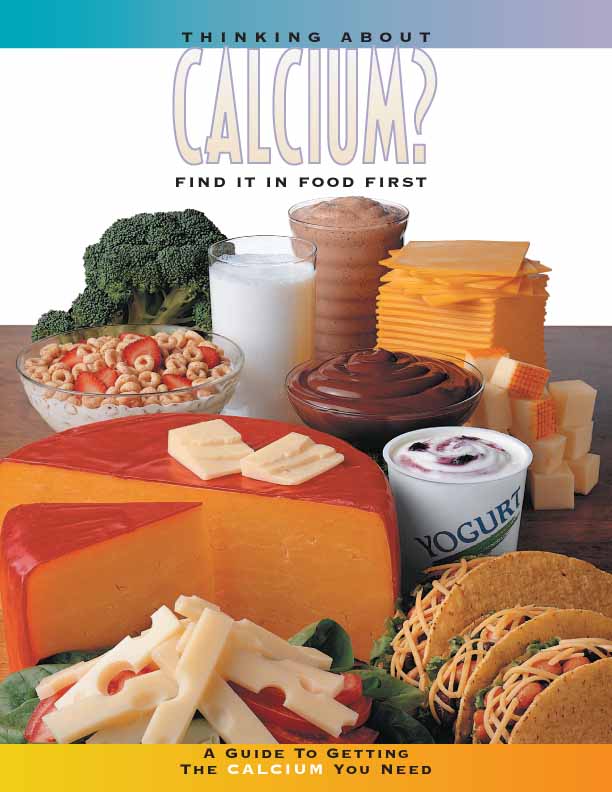
Bottom line:  Those who restrict dairy products are often low in calcium.  Calcium requirements are 1000mg for men 19-70 and women 19-50. Women 51 and older, and men older than 71 require 1200mg of calcium daily.  Try to meet your calcium needs through food. If you cannot, take the minimal necessary amount of supplemental calcium to meet your daily requirement.

Iron


Function: Iron is required for the formation of oxygen-carrying proteins, hemoglobin and myoglobin, and for enzymes involved in energy production. Oxygen-carrying capacity is essential for endurance exercise as well as normal function of the nervous, behavioral, and immune system. Iron depletion (low iron stores) is one of the most prevalent nutrient deficiencies observed among athletes, especially women. Iron deficiency, with or without anemia, can impair muscle function and limit work capacity. Iron requirements for endurance athletes, especially distance runners, are increased by approximately 70%. Athletes who are vegetarian or regular blood donors should aim for an iron intake greater than their respective RDA ( >18 mg for women and >8 mg for men).

Some athletes may experience a transient decrease in serum ferritin and hemoglobin at the initiation of training due to hemodilution after an increase in plasma volume known as "dilutional" or "sports anemia" and may not respond to nutrition intervention. These changes seem to be a beneficial adaptation to aerobic training, which do not negatively impact performance.

In athletes who are iron-deficient, iron supplementation not only improves blood biochemical measures and iron status but also increases work capacity as evidenced by increasing oxygen uptake, reducing heart rate, and decreasing lactate concentration during exercise.

Bottom line: There is some evidence that athletes who are iron-deficient but do not have anemia may benefit from iron supplementation. Improving work capacity and endurance, increasing oxygen uptake, reducing lactate concentrations, and reducing muscle fatigue are benefits of improved iron status.  It is recommended that one get their iron levels tested in order to determine whether supplementation is necessary and the amount of iron to supplement.

Zinc

Function: Zinc plays a role in growth, building and repair of muscle tissue, energy production, and immune status. Diets low in animal protein, high in fiber and vegetarian diets are associated with decreased zinc intake. 

The impact of low zinc intakes on zinc status is difficult to measure because clear assessment criteria have not been established and plasma zinc concentrations may not reflect changes in whole-body zinc status. Decreases in cardiorespiratory function, muscle strength, and endurance have been noted with poor zinc status.

Bottom line: The upper limit for zinc is 40 mg. Athletes should be cautioned against single-dose zinc supplements because they often exceed this amount, and unnecessary zinc supplementation may lead to low HDL cholesterol and nutrient imbalances by interfering with absorption of other nutrients such as iron and copper. Furthermore, the benefits of zinc supplementation to physical performance have not been established.

Magnesium
Function: Magnesium plays a variety of roles in cellular metabolism (glycolysis, fat, and protein metabolism) and regulates membrane stability and neuromuscular, cardiovascular, immune, and hormonal functions. Magnesium deficiency impairs endurance performance by increasing oxygen requirements to complete submaximal exercise.

Bottom line: Magnesium deficiency can be determined by a blood test. Wheat bran, beans, nuts, and spinach are excellent sources of magnesium.

Sodium and Chloride
Function: Sodium is a critical electrolyte, particularly for athletes with high sweat losses. Many endurance athletes will require much more than the upper limit for sodium (2.3 g·d-1) and chloride (3.6 g·d-1).

Bottom line: Sports drinks containing sodium (0.5-0.7 g·L-1) and potassium (0.8-2.0 g·L-1), as well as carbohydrate, are recommended for athletes especially in endurance events greater than 90 minutes.

Potassium

Function: Potassium is important for fluid and electrolyte balance, nerve transmission, and active transport mechanisms. During intense exercise, plasma potassium concentrations tend to decline to a lesser degree than sodium.
Bottom line: A diet rich in a variety of fresh vegetables, fruits, nuts/seeds, dairy foods, lean meats, and whole grains is usually considered adequate for maintaining normal potassium status among athletes.

Final Word:
The next time you see your doctor, explain to him/her that you are an endurance athlete and request blood tests for folate, B12, vitamin D, iron, ferritin and magnesium. Ensure you consume a variety of fruits and vegetables to meet your antioxidant needs.  Make sure you consume sufficient calcium products to meet your calcium requirements.  And speak with a registered dietitian who specializes in sports nutrition if you are unsure if you need vitamin or mineral supplement and how much to take.

Reyna Franco, MS, RD, CSSD, CPT
Registered Dietitian
Board certified specialist in sports dietetics
Certified personal trainer
Reyna@reynafranco.com


Read more...

Friday, July 13, 2012

Adventures in China

Mike C
Flyer Mike C has spent much of the past year in China.  Last June, he wrote about racing in Shanghai.  Below, is his account of some of more recent adventures (not including the birth of his wonderful baby boy, Henry!).  - The following was compiled from Mike's e-mails to several of his Flyer friends.  -- Dave K, Flyers Blogmaster

February 15, 2012

I’m writing this from the Bullet Train from Beijing to Shanghai. 4 hours and 45 minutes for a distance from New York to Chicago. They slowed the train down after the highly publicized train crash last year to make people feel safer (so 4:45 hours instead of 4:00). I’m near the front of the train so I probably won’t remember anything if there is an accident! Running has been better than I had expected.

Among other runs, late last week I did an out-and-back from the hotel in the Shanghai French Concession (think UWS) down Huaihai Road (think 5th Ave) to river front (think west side along the Hudson River but a lot shorter). It was raining so I didn’t expect to see a lot of runners but there were four of them out there. They seem excited to see the fresh blood. That was about an 8-mile run. I had forgotten in China that cars don’t stop on a right turn on red….need to remember that! Pollution wasn’t too bad although I could feel it to some degree. I think this will be my during the week “loop.”

Night View - Shanghai Huaihai Road
On Sunday I was going to run with the Shanghai Hash House Harriers. I had a plan to have one drink after the run and then run for the exits, but their run was too late in the day since I had to go to Beijing. Hash Harriers is the only running group in town so I’m going to give it a shot.

But for now I instead took the subway to Century Park in Pudong (think Queens). The park is 5K square and you have to pay about $1.5 to enter! I saw about 10 other runners while I ran one and a half loops around it and then decided to run back to Puxi (the other side of the river). The air is cleaner out there and there's a lot of space as it is a new community (basically it didn’t exist 10 years ago and now millions of people live out there). So this will be a good place to run on weekends.

Century Park, Pudong
In Beijing I had to run on a treadmill because the pollution is bad during the winters from so much coal being burned. The hotel had new treadmills, with a good view, but all in the metric system so I need to convert back to the metric system fairly quickly.

Otherwise I’m working, trying to find a place to live, and eating a lot of great food. Despite being in China I can’t seem to kick the Starbucks habit. There are two Starbucks within 50 meters of the Shanghai hotel, two within 20 meters of my Shanghai office and one within 10 meters of the Beijing office. So I’m still drinking way too much coffee!

April 28, 2012 -- Day Before the Hangzhou Half Marathon

Okay, so the bus ride out to the Hangzhou Half didn't work out too well. Totally got lost but I found it two hours later. It was interesting being lost in such a small Chinese city since they don't see many foreigners. The town is known for its canal, which was build around 600 AD....they have old stuff over here.

I'm staying in the official hotel and they had a group dinner for the runners. The African Runners are out in force. There were tables of Kenyans and Ethiopians. I sat down next to a young runner from Eritrea...his English was not good, and all I could get out of him was that he was fast and that he wanted to use my phone to call home. It was fun to watch all of the African runners have difficulty using chop sticks. As expected in China, they were of course serving beer and I managed to convince the Eritrean runner to have a few sips. The Chinese runners at my table were consuming rather briskly as were all of the Japanese runners. One Chinese runner who is maybe 20 is planning on an 82 minute half...if only i could do that.

I met one runner from Japan who has been the official translator for Japanese baseball players playing for the SF Giants and NY Mets. He's going to introduce me to Japanese running.

I'll be wearing my NY Flyers shirt out there tomorrow.

April 29, 2012 -- Day of the Hangzhou Half Marathon

The Half went reasonably well despite the fact it was extremely hot and humid. There were good, bad and weird parts:

  • The Good. It was generally a very well organized race. And the crowds were as large and as loud as at the NYC Marathon, which really kept us going. People were very friendly and I met a lot of folks at the start and the finish. At the finish, many of the Chinese wanted to have their picture taken with me!
  • The Bad.  In-line skaters used the race as an opportunity to ride on the roads and most of them were weaving in and out between the runners….really annoying! There were no time corrals with close to 30,000 people so it made the start just a tad slow!! The race used the time chips (like NYRR used to) and the queue to give back your trip and collect the deposit was about 45 minutes (the banking system in China cannot support automatic refunds).
  • The Weird. At the finish, a number of people went to the medical tents for help. The media filmed each of them while they were in distress, including being loaded onto ambulances in a couple of cases.
May 20, 2012  -- 16 Hours in the Mountains!

Saturday I did an all-day Hash in the mountains about 3 hours outside of Shanghai (near Ningbo). The day started at 10am and ended at 2am. Every part of my body is in pain. I thought Cat Hill training with the Flyers Tues/Thurs 6AM group on the first Tuesday of every month from dead of winter through steamy summer had me prepared for anything...but I was wrong.

Mountains Near Ningbo
It was raining in the forest so I fell on my rear three times trying to catch bamboo trees on the way down. Some of the uphills were so steep I was on my hands and knees trying to climb up using my new friends -- the bamboo trees! It was like boot camp. I was head to toe covered in mud. But the views from the mountain tops overlooking the villages were spectacular.

I was just thankful that on today's run my legs were still working with no injuries. I honestly had a great time, but would have preferred to run the Brooklyn Half with you guys.

July 7, 2012 -- Inner Mongolia Half Marathon

Last weekend I ran a half marathon in a remote town in Inner Mongolia. The scenery was incredible. It was my first off-road run and it was more difficult than I had thought it would be to run off road. It was made more difficult by the fact that the kilometer markings were off the mark, so when the finish line seemed imminent there was another sign that read 1K to go….even though I thought I had just finished my final sprint!


Post-Race Beer with the Locals
I managed to come in 10th place at 1:48. Most of my friends from Shanghai ran the full marathon. One of the women won first place among the women and one of the guys came in 3rd place among the men.


My Hotel Room -- a Mongolian Yurt


After the race the organizers took all of the runners to a field where we had dinner, more beer than I care to think about and a bonfire. We stayed in traditional Mongolia tents (yurts).

-Mike C

Read more...

Saturday, July 7, 2012

The Heat is On!

Dave K
Keeping Cool
With Our Cool Cats
I used to not mind running when it's HOT. Until a few summers ago when I had a scary heat-running incident (and this was before enduring the high heat of the 2012 Boston Marathon).

I ran a summer race in 2009, and then stopped to drink before continuing on for more miles to make it my long-run. I ran with a fluid belt and wore the right clothing, and unlike at Boston in the spring I was acclimated to summer running. So, I thought I'd taken sufficient precautions in the heat.

But I didn't head home right away, and soon after I got home I became extremely dizzy. And nauseous. And disoriented (i.e., more than usual). I lied down with the air conditioner blasting. I took a cold shower. I put ice packs on my head and neck. And I didn't feel any better.

No one else was home, and I started to feel a little bit scared. I called a friend whose sister is a doctor. I wondered if I was suffering heat stroke. It turned out that it was not heat stroke, but the less severe heat exhaustion. It took several days until I felt back to normal.

So, although I may still say that I don't mind the heat (much), and while I still want to preserve my tough-guy macho image (no laughing, please), I now take more precautions. So here's some advice that I'll pass along so that others may not pass out.  Actually, it's all pretty obvious stuff, below, and my real point is to just suggest to please be careful out there, heed your body's warning signals, and don't try to be such a tough guy or gal that you end up in the hospital.

  • Not Too Proud for the Med Tent.  After the 2011 Queens Half Marathon -- a very hot and humid day -- I felt nauseous and woozy.  Fearing heat exhaustion, I went straight to the medical tent.  There, I quickly was put in front of a fan, given COLD Gatorade, and had bags of ice put on my head, neck and under my arms.  NYRR CEO Mary Wittenberg even checked in on me and the other runners who were doing likewise.  20 minutes later I left the tent feeling fine.
  • Salt, Salt and More Salt.  I sweat beyond belief.  And on hot and humid days I'd been prone to muscle cramps after races.  Until Flyer Janis E turned me on to salt.  Now I take as much as one fast-food salt packet every six miles during a long-run or long race.  I find that it actually gives me an energy boost, real or imagined, and has helped with the cramping.  Sometimes I'll take Endurolytes instead, which also helps replace what I sweat away.
  • Chill Out Before and After. Elite runners and others have been known to wear ice vests that they take off right before they race in the heat.  I don't have a heat vest, but I do stay in air-conditioning for as long as I can before heading out, and have even brought a large 7-Eleven Slurpee to the starting line (yum!).  After a race or long-run in the heat, I'll try to get inside to air conditioning ASAP and it's a great time for an ice bath both to knock down muscle swelling and to cool off.
  • Lather up. Although my family has a history of skin cancer, I used to think I wouldn't get sunburned in Central Park with all the tree cover, but learned from experience that this is not true.  Now I'm better at coating myself -- Flyer Janine S still makes fun of me for my milky-white coating before a recent race -- and may stick a napkin or something in my pocket for when it mixes with sweat and irritates my eyes.
  • Read this.  I learned how to get heat exhaustion, but I'm no expert on how to prevent it. So if you're still reading, I suggest that you read elsewhere about hot-weather running.  Runner's World has a whole bunch of articles posted on their website on Running in the Heat that are excellent resources.  Click here to read Runner's World's heat survival guide. 
Keep cool,
Dave K
NY Flyers Blogmaster

Read more...

  © Blogger templates The Professional Template by Ourblogtemplates.com 2008

Back to TOP